
What is a successful golf tournament fundraiser? A successful charity golf event is one that meets or exceeds its fundraising goals, provides a great experience for all participants, and strengthens relationships with sponsors and supporters.
Running a great golf tournament fundraiser takes careful planning. It is like setting up a big game. You need a good team. You need a solid plan. This guide will walk you through every step. We will look at setting goals, picking a place, getting sponsors, running the day, and saying thanks after. Following these steps helps you raise more money for your cause.
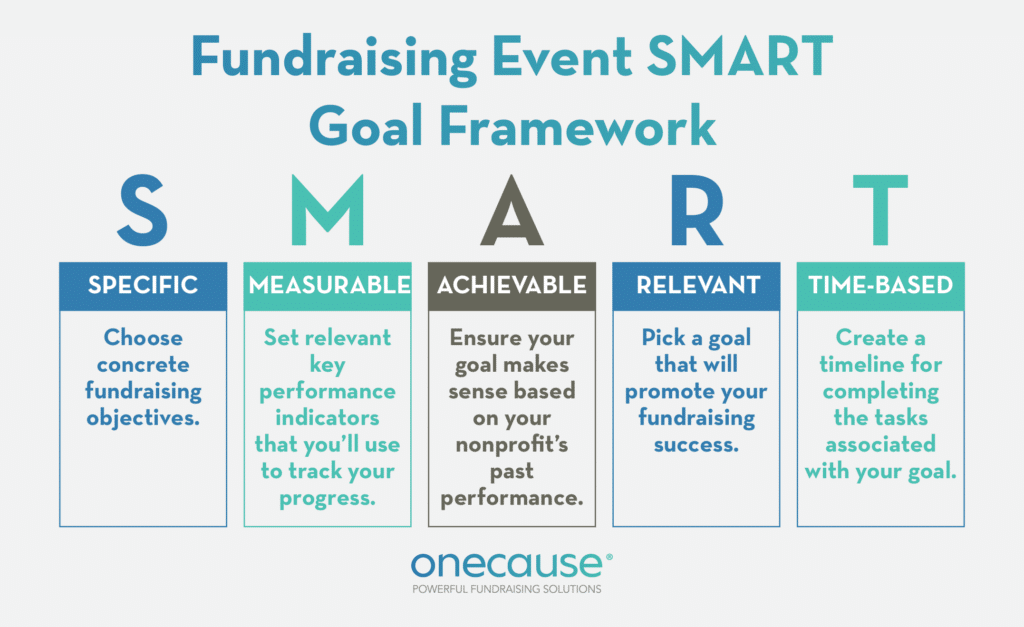
Image Source: www.onecause.com
Setting the Foundation for Your Event
The first steps are the most important. They shape your whole event. You must know what you want to achieve.
Defining Clear Goals and Purpose
Every fundraiser needs a main reason. Why are you holding this event? Is it for new playground equipment? Is it for medical research? Be clear about this.
Your financial goal is key. How much money do you need to raise? Break this down. You need money from teams playing. You need money from people who sponsor.
Goal Setting Example:
| Goal Type | Target Amount | How It Helps |
|---|---|---|
| Fundraising Target | \$30,000 | Buys 10 new computers for the learning center. |
| Participation Goal | 120 Golfers (30 Teams) | Ensures a full course and good energy. |
| Sponsorship Goal | \$10,000 | Covers most upfront costs. |
Choosing the Right Date and Venue
When you hold the event matters. Avoid big holidays. Check local calendars. Do not pick a date when other big golf events are happening. Spring and Fall are often best for weather.
The golf course is your main venue. It must fit your event size. Call several courses. Ask about their packages. Look at what is included. Do they offer food service? Is there space for a silent auction?
Key Venue Checks:
- Can they host your planned number of golfers?
- What is the cost per player?
- Are there mandatory food and drink minimums?
- Do they have facilities for prizes and speeches?
Planning a Golf Outing Fundraiser: The Timeline
Great golf tournament fundraising strategies rely on starting early. Think six to twelve months ahead if you can.
Developing a Detailed Timeline
Create a master checklist. Assign tasks to specific people. Use deadlines for everything.
- 10-12 Months Out: Set the date and secure the course. Form your main planning committee. Draft the initial budget.
- 8-10 Months Out: Start reaching out to major sponsors. Develop your sponsorship tiers.
- 6 Months Out: Launch the website. Start golf tournament marketing ideas. Open early-bird registration.
- 3 Months Out: Confirm all food and beverage plans. Order printed materials like signs and scorecards.
- 1 Month Out: Finalize golfer numbers. Confirm volunteer assignments.
- Week Before: Call all participants to confirm tee times. Prepare prize bags.
- Day After: Send thank-you emails. Start the post-golf tournament follow-up.
Creating a Realistic Golf Tournament Budget Management Plan
A tight budget keeps you profitable. Track every dollar spent and earned. Be careful with upfront costs. You do not want to spend too much before you sell a single ticket.
Typical Expenses to Track:
- Course fees (green fees, cart rentals)
- Food and beverage costs
- Prizes and awards
- Marketing materials (banners, flyers, website fees)
- Insurance and permits
- Staffing or rental fees (golf ball launchers, registration help)
Your goal is to have expenses be less than 30% of your total revenue. This means focusing heavily on golf tournament sponsorship acquisition.
Maximizing Revenue Streams
A golf tournament makes money in a few ways. Do not just rely on team entry fees. Think creatively to boost your total take. This is key for successful charity golf events.
Mastering Golf Tournament Sponsorship Acquisition
Sponsors are the backbone of a good fundraiser. They help cover costs so player fees go directly to your cause. Create clear sponsor levels. Make the benefits very attractive.
Sponsorship Tiers Example:
| Tier Name | Investment | Key Benefits Offered |
|---|---|---|
| Presenting Sponsor | \$5,000 | Naming rights (e.g., “The [Your Charity] Presented by [Sponsor]”), speaking slot at dinner, 4 complimentary foursomes. |
| Eagle Sponsor | \$2,500 | Logo on all carts, dedicated hole signage, mention in all press releases. |
| Birdie Sponsor | \$1,000 | Logo on the event website, mention on the awards banner. |
| Prize Sponsor | \$500 | Naming rights for a specific prize (e.g., “The [Sponsor] Longest Drive Award”). |
Approach local businesses first. They often want community exposure. Personalize your pitch. Explain exactly how their money helps the charity.
Creative Ways to Boost Donations On-Site
Beyond the entry fee, use fun add-ons to drive revenue. These activities are easy to manage and often raise significant extra funds.
- Mulligans and Raffle Tickets: Sell these during registration or at the first tee. Keep the prices simple: 1 for \$5, 3 for \$10.
- The “50/50” Raffle: Sell tickets for a cash prize split. Half goes to the winner; half goes to your charity. This is always popular.
- Silent Auction/Live Auction: Gather desirable items beforehand. Electronics, vacation stays, or signed sports gear do well. If you have high-value items, run a brief live auction during dinner.
- Contest Games: Charge a small fee to enter contests like “Closest to the Pin” or “Longest Putt.” Offer a nice prize for the winner.
Marketing and Registration: Getting Golfers Signed Up
You need golfers to show up. Good marketing is vital. The golf tournament registration process must be smooth.
Effective Golf Tournament Marketing Ideas
Start talking about your event early. Use many channels to reach people.
- Online Presence: Create a dedicated event page or website. It should clearly state the cause, date, price, and sponsorship levels. Use good photos from past events if you have them.
- Email Campaigns: Segment your email lists. Send one message to past players. Send another to potential sponsors. Send reminders as the deadline nears.
- Social Media Buzz: Post pictures of exciting prizes. Feature your top sponsors weekly. Run short videos explaining where the money goes. Use local community groups online.
- Traditional Outreach: Send printed invitations to your top donors or major supporters. Place flyers in local businesses that align with your mission.
Simplifying the Golf Tournament Registration Process
People get frustrated by complex sign-ups. Make it easy to register and pay online.
Use reliable online ticketing software. Allow teams to register together. Make sure the system collects all necessary information:
- Golfer names and handicaps (if competitive)
- T-shirt sizes
- Dietary needs for the dinner
- A space for special requests or notes
Confirm all registrations immediately with an automated receipt. If teams are paying by check, have a clear physical address and deadline for receipt.
Managing the Event Day Logistics
The big day requires calm management. Strong golf tournament volunteer coordination prevents chaos.
Organizing Your Volunteer Team
Volunteers are your unsung heroes. Treat them well. Give them clear jobs. Never assume they know what to do.
- Recruitment: Ask volunteers who are reliable. Tell them the time commitment upfront.
- Training: Hold a short meeting the day before or early the morning of the event. Go over the schedule. Give them a site map.
- Assignments: Give specific roles. Examples include:
- Registration table staff
- Hole monitors (for contests or sales)
- Cart directors
- Raffle/Auction runners
- Scorecard collection staff
Every volunteer needs a contact name (their team lead) if they have a problem. Make sure they have water and snacks!
Smooth Execution on the Course
For a great golfer experience, timing is everything.
- Check-In: Have enough staff at registration. Have printed materials ready. If you sell mulligans, do it here!
- Staggered Start: Most charity events use a “Shotgun Start.” All teams start at the same time from different holes. This is faster than a continuous start. Coordinate with the golf pro to make sure carts are ready.
- On-Course Activities: Have volunteers at contest holes (like the longest drive). Make sure they measure results correctly and record winners immediately. If you have a beverage cart, ensure it is fully stocked and running on time.
The Awards Dinner and Closing Ceremony
This is where you celebrate success and thank everyone. Keep speeches short and heartfelt.
- Food Service: Coordinate with the caterer. Ensure dinner starts soon after the last group finishes so golfers do not wait too long.
- Announcements: Announce contest winners first. Give out the fun prizes. Then announce the main winners (lowest score).
- The Ask: Have your charity representative speak briefly (3-5 minutes maximum). Tell a compelling story about how the money raised will be used. This reinforces why people supported you.
- Sponsor Recognition: Publicly thank every sponsor again. Mention the Presenting Sponsor by name multiple times.
Fostering Long-Term Success
The event is not over when the last guest leaves. The follow-up determines next year’s success.
Essential Post-Golf Tournament Follow-Up
A strong post-golf tournament follow-up shows appreciation and builds trust for future support.
- Thank You Notes (Within 48 Hours): Send an immediate email to all golfers and volunteers. Include a few great photos from the day.
- Financial Report (Within 1 Week): Send a brief report to sponsors showing the total raised and how it will be used. This proves you were good stewards of their investment.
- Personalized Sponsor Thank Yous (Within 2 Weeks): Send formal, handwritten thank-you letters to all sponsors. Include photos of their signage at the event, if possible. This personalized touch is very powerful for securing renewals.
- Survey: Send a short, anonymous survey to participants asking what they liked and what could be better next year.
Review and Analysis
Once the dust settles, meet with your planning committee. Review your golf tournament budget management report. What costs were too high? Which revenue streams worked best? Document everything. This documentation will be the foundation for planning a golf outing fundraiser next year, making it even smoother and more profitable. Use the feedback gathered to refine your golf tournament fundraising strategies for the future.
Frequently Asked Questions (FAQ)
How far in advance should I book a golf course for a fundraiser?
You should book your golf course 8 to 12 months in advance, especially if you are aiming for a prime weekend date or a popular season like late spring or early fall. Popular courses fill up fast.
What is a reasonable price to charge per golfer?
The price depends heavily on your venue cost and what you include. A common formula is to charge enough to cover your base cost per player (course fee, lunch) plus a significant donation amount. A typical all-in fee for a charity event runs between \$150 and \$400 per player. Ensure your entry fee clearly separates the cost of playing from the charitable donation.
How many volunteers do I need for a 100-golfer event?
For 100 golfers (25 foursomes), aim for 15 to 20 dedicated volunteers. You need about 4 people at registration, 2 managing scorecards, 4-6 circulating the course for contests/sales, and 4-5 for dinner/setup/cleanup. More volunteers mean less stress on the day.
When should I finalize my sponsorship deals?
Aim to secure your top-tier sponsors (Presenting and Platinum levels) at least four months before the event date. This allows you time to include their names on early marketing materials and registration pages, maximizing their visibility.
What is the best way to handle bad weather forecasts?
You must have a rain plan agreed upon with the golf course during contract signing. Most charity golf tournaments are “Rain or Shine” events, meaning play continues unless the course closes due to dangerous conditions (like lightning). If the event is rained out completely, your plan should detail whether you offer rain checks, move the date, or issue partial refunds. This must be communicated clearly during registration.