
Can I resurface my own golf clubs at home? Yes, you absolutely can resurface your own golf clubs at home, provided you have the right tools, patience, and a willingness to learn the basic steps involved in club restoration.
Bringing old, worn-out golf clubs back to life can be a very rewarding project. Whether your favorite driver has lost its luster or your irons show signs of deep pitting, learning how to refinish rusty golf clubs or restore old golf clubs can save you money and keep beloved equipment in play. This guide covers everything you need to know, from prep work to the final protective coat.
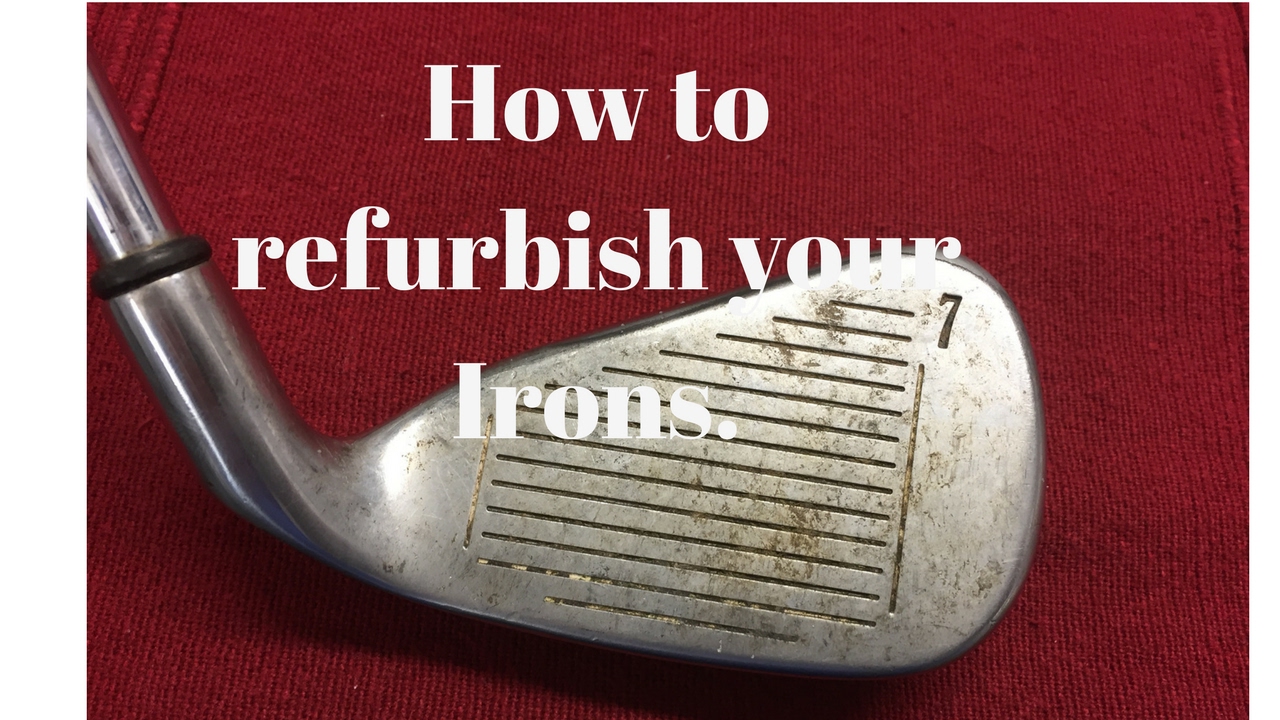
Image Source: i.ytimg.com
Preparing for Club Resurfacing: Safety First
Before starting any cosmetic work, safety is key. You will be working with chemicals, abrasive materials, and sometimes power tools. Always protect yourself.
Essential Safety Gear
- Gloves: Use chemical-resistant gloves when handling paint strippers or solvents.
- Eye Protection: Safety glasses are crucial to protect against flying debris when sanding golf club heads or blasting.
- Ventilation: Work in a well-ventilated area, especially when painting or using strong cleaners. Fumes can be harmful.
Gathering Your Tools and Materials
Having everything ready makes the process much smoother. You will need cleaning supplies, abrasive materials, and finishing products depending on the type of club you are working on.
| Tool/Material | Purpose | Notes |
|---|---|---|
| Mild Soap & Water | Initial cleaning | Removes dirt and grease. |
| Acetone or Paint Thinner | Removing old finish/paint | Test on a small spot first. |
| Wire Brushes/Pads | Removing heavy rust/paint | Various grits are helpful. |
| Sandpaper/Scotch-Brite Pads | Smoothing and prepping | Grits from 150 up to 600 needed. |
| Protective Tape (Painter’s Tape) | Masking faces and shafts | Prevents paint/stripper contact. |
| Primer & Paint | Applying new color | Use paint made for metal if possible. |
| Clear Coat/Lacquer | Sealing the new finish | Protects the new paint job. |
Step 1: Deep Cleaning and Stripping the Old Finish
The success of any resurfacing project depends heavily on how well you clean the club head first. Any dirt, grease, or old finish will stop new paint or sealant from sticking properly.
Initial Wash Down
Start by removing surface grime. Use warm water and a mild dish soap. A soft brush helps get into grooves. Rinse the clubs well. Let them dry completely before moving on.
Removing Existing Paint and Finish
If you are repairing golf club finish, you must remove what is already there. Paint strippers work well for removing old paint from the soles or backs of irons.
- Apply the stripper according to the product directions.
- Let it sit. Watch the old paint bubble up.
- Scrape off the softened paint using a plastic scraper or a dull knife. Be careful not to scratch the base metal deeply.
- For stubborn spots, you may need a wire brush or fine steel wool.
If you are refinishing matte black golf clubs, be extra gentle. Matte finishes are often thin layers, and aggressive stripping can quickly remove the base metal finish.
Step 2: Addressing Rust and Surface Imperfections
Rust is the enemy of good aesthetics and performance. How you tackle it depends on how deep it is and the material of the club.
Dealing with Surface Rust on Irons
For irons, especially carbon steel models, you will need to refinish rusty golf clubs.
- Light Rust: Use a fine-grit sandpaper (around 320-400 grit) or a Scotch-Brite pad. Rub gently with the grain of the metal. This smooths out minor oxidation.
- Heavy Rust Pitting: You might need to use a stronger abrasive first, like 150 or 220 grit paper. The goal is to remove all the red-brown rust. Be aware that aggressive sanding golf club heads removes metal. Too much sanding can change the club’s weight or bounce characteristics slightly.
The Power of Blasting
For serious restoration, especially when aiming for a uniform base before painting golf club heads, blasting is highly effective.
Bead Blasting Golf Clubs
Bead blasting golf clubs uses fine glass beads under high pressure. This process cleans the metal surface very well. It removes deep rust, old paint, and stubborn grime without significantly altering the metal shape. It leaves a uniform, slightly textured matte finish perfect for paint adhesion.
Blasting Golf Club Faces
When blasting golf club faces, precision is vital. Blasting the grooves too aggressively can round the edges, which alters the club’s spin characteristics. Many restorers blast the back/sole but use careful hand sanding on the face, especially near the grooves, to maintain performance integrity.
Step 3: Refining the Surface Texture
Once the rust and old finish are gone, you need to prepare the surface for the new coating. This stage is all about creating a smooth canvas.
Progressive Sanding Techniques
Start with a lower grit paper (like 320) to smooth out any deep scratches left from the stripping process. Move up slowly through the grits: 400, then 600 grit. The higher the grit number, the smoother the finish will be.
- Always sand in one direction (with the grain). This avoids cross-hatching, which shows up easily under new paint or clear coats.
- Wipe the club down often with a tack cloth or a damp rag containing mineral spirits to check your progress.
Special Considerations for Chrome Finishes
Refinishing chrome golf clubs presents a unique challenge. Chrome is very hard and polishing it removes material slowly.
- Repairing Scratches: Deep scratches are hard to remove without removing the entire chrome layer. Use very fine wet/dry sandpaper (800 grit or higher) to blend minor scratches.
- Polishing: After sanding, use a metal polishing compound (like jeweler’s rouge or chrome polish) with a soft cloth or buffing wheel to bring back the shine.
- Note: If the chrome is peeling or deeply pitted, sanding it off completely to repaint is often the only option.
Step 4: Masking for Precision Painting
If you plan to add color accents or completely painting golf club heads, masking is essential. You need crisp lines, especially where paint meets bare metal or the club face.
Choosing the Right Tape
Use high-quality automotive or painter’s tape. Cheaper tapes can bleed paint underneath the edges, ruining a clean line.
Masking Procedures
- Club Face: The striking surface of irons and wedges must remain clean metal or bare, clean grooves. Tape off the entire face, ensuring the tape edge sits exactly where you want the new paint line to stop (usually just behind the leading edge or the topline).
- Hosel/Ferrule Area: If you are repairing golf club finish on the sole, ensure paint doesn’t get onto the shaft connection point.
- Let the Shaft Go: If you are regrip golf clubs later, leave the very top of the shaft area clean so the new grip tape adheres properly.
Step 5: Applying the New Finish
This is the fun part—adding color! Whether you are touching up numbers or giving the whole club a new look, proper application ensures durability.
Priming the Surface
For bare metal, primer is non-negotiable. Primer helps the topcoat stick better and prevents rust from forming underneath the paint.
- Use a self-etching primer if the club is bare metal (like aluminum or steel).
- Apply primer in thin, even coats. Let each coat dry fully.
Painting Golf Club Heads
Use spray paints formulated for metal, or specialized enamel hobby paints. Thin coats are always better than one thick coat. Thick coats drip, run, and don’t cure properly.
- First Coat (Light Dusting): Spray a very light, misty coat from about 8–10 inches away. This is the “tack coat.” It helps the subsequent coats grab the surface.
- Subsequent Coats: Wait about 10–15 minutes between coats. Apply 2–3 more light coats until the color looks solid.
- Curing Time: Follow the paint manufacturer’s instructions. Some acrylics dry to the touch quickly, but full curing (hardening) can take days.
Refinishing Matte Black Golf Clubs
If you are aiming for a satin or matte finish to imitate modern designs, specialized spray paints are available (sometimes labeled as “satin clear coat” or “matte black engine paint”). Apply these even thinner than gloss paints to avoid creating shiny spots where the paint pools.
Curing the Finish
Allow the paint to cure for at least 24–48 hours before handling it heavily or removing the masking tape. Pulling tape off too soon can lift the edges of the paint.
Step 6: Sealing and Protecting the New Finish
The final step is sealing your hard work. A clear coat protects the paint from nicks, dings, and wear from the golf bag.
Clear Coating for Durability
Use a clear coat designed for metal or automotive applications. A two-part urethane clear coat offers the best protection, but a good quality enamel clear spray works well for hobbyists.
- Apply 2–3 thin coats, just like the color paint.
- A clear coat provides a barrier against moisture, which helps when you refinish rusty golf clubs—it stops the rust from coming back quickly.
Final Polishing and Detailing
Once the clear coat is fully cured (which can take several days), you can move to final details.
- Removing Tape: Carefully peel away all the masking tape. If the paint edge seems slightly rough, you can lightly wet-sand with 1000 grit paper and then polish.
- Logo Touch-Ups: If you have logos or numbers that were painted over, you can use a fine-tipped permanent marker or specialized enamel paint pens to carefully restore these details.
- Shaft and Grip Prep: While you are here, this is the perfect time to regrip golf clubs. Remove the old grips, clean any old tape residue from the shaft, apply new double-sided grip tape, and install new grips. Fresh grips make the whole club feel brand new.
Special Section: Restoring Specific Club Types
Different clubs require slightly different approaches when you restore old golf clubs.
Wedges and Irons (Carbon Steel/Soft Iron)
These clubs suffer the most from rust and face wear. The primary goal here is rust removal and groove maintenance.
- Rust Removal Method: Chemical rust removers (like naval jelly) followed by bead blasting or aggressive sanding are common.
- Groove Integrity: If you are heavily sanding, remember that removing too much material from the face changes the loft and bounce. Professional restoration often involves re-milling the grooves, but home sanding must be conservative.
Woods (Drivers, Fairways, Hybrids)
Most modern woods have painted or composite crowns. Restoration focuses mainly on the sole plate and the edges.
- Sole Plate: The sole often takes scrapes. You can usually sanding golf club heads here and repaint, as the sole doesn’t affect ball flight as much as the face.
- Composite Materials: Be extremely careful with fiberglass or carbon fiber crowns. Do not use harsh strippers or heavy abrasives on these areas, as they can damage the structure. Stick to gentle washing and light touch-up paint.
Putters
Putters, especially milled flat faces, need extreme care. Any imperfection on the face will be obvious.
- Milled Faces: Never sand or blast a milled face unless you plan to have it professionally re-milled. Scratches severely impact the roll.
- Body Finish: You can often refinishing matte black golf clubs or bare metal bodies. For stainless steel putters, polishing compounds work wonders. For older brass or bronze putters, chemical treatments can help bring back the original patina or allow for a complete refinish.
Troubleshooting Common Resurfacing Issues
Even with careful planning, issues can pop up. Here’s how to fix them.
Issue 1: Paint Lifting or Peeling After Curing
This is almost always caused by poor surface preparation. The paint didn’t stick to the metal.
- Fix: You must strip the paint off completely. Clean the surface thoroughly with acetone. Re-apply primer, ensuring it touches all bare metal surfaces, then repaint.
Issue 2: Overspray or Bleeding Under Tape
This happens when the tape edge wasn’t sealed well, or the paint was sprayed too heavily in the first coat.
- Fix: If the bleed is minor, you can try to carefully scrape it off using a sharp razor blade held nearly flat against the metal surface. If the bleed is severe, you will need to strip the area and re-mask.
Issue 3: New Finish Looks Dull or Cloudy
This is common when refinishing chrome golf clubs or using a clear coat in humid conditions. Moisture trapped in the finish causes cloudiness.
- Fix: If it’s a clear coat, you might be able to wet-sand the cloudy area very lightly (using 1000+ grit paper) and then polish it aggressively. If the cloudiness is deep, the clear coat needs to be stripped and reapplied in better weather.
Frequently Asked Questions (FAQ)
Q: Does refinishing my clubs affect their performance?
A: If done correctly, refinishing should not significantly affect performance. However, heavy sanding golf club heads can slightly alter weight distribution or change the loft/lie angle if you are not careful around the neck/hosel area. The most critical area is the club face; avoid altering the grooves or striking surface thickness.
Q: How long should I wait before using the clubs after refinishing?
A: Wait at least one week, if possible, before putting them into heavy use. While the paint may be dry to the touch in 24 hours, the finish needs time to fully harden (cure). Using them too soon can cause scuffs that compromise the clear coat seal.
Q: Is bead blasting golf clubs safe for the grooves?
A: It can be. Bead blasting golf clubs is generally safer than aggressive grinding or wire brushing. However, the pressure must be low, and the media (glass beads) must be very fine. Always inspect the grooves immediately after blasting to ensure the sharp edges haven’t been rounded off.
Q: Can I paint the face of my driver?
A: It is strongly discouraged to paint the actual impact area (the face) of a driver or wood. Paint adds thickness and can chip off when struck repeatedly, which can lead to issues later. Focus paintwork on the crown, sole, and perimeter edges only.
Q: What is the best way to remove paint from the ferrules?
A: Use a heat gun on a low setting to gently warm the ferrule area. This softens the paint, allowing you to wipe it off with a cloth dampened with acetone. Be careful not to overheat the epoxy holding the shaft in the hosel.