
Yes, you can absolutely learn how to put spin on a golf ball. Putting spin on a golf ball is key to control. Spin helps the ball stop quickly on the green. It also helps shape shots around hazards. Learning golf ball spin techniques is vital for lower scores.
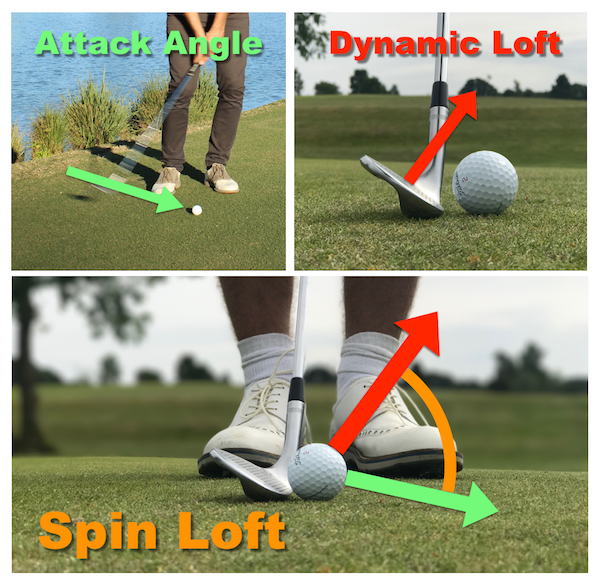
Image Source: www.worldofshortgame.com
The Science of Ball Spin in Golf
Spin is what makes a golf ball fly true. It is not just about hitting it hard. Spin works with the clubface and the loft. This combination dictates where the ball goes and how it behaves upon landing.
Types of Spin You Need to Know
There are three main types of spin in golf. Knowing them helps you fix bad shots.
- Backspin: This is the most important spin. Backspin lifts the ball up. It also makes the ball land softly. More backspin means less roll. This is what you want on approach shots. We will focus a lot on imparting backspin on golf ball flight.
- Sidespin (Hook or Slice): This spin makes the ball curve left or right. Too much sidespin leads to hooks or slices. These shots lose distance and accuracy.
- Topspin: This spin happens when the club hits down too much. It drives the ball forward into the ground. It often results in a low, running shot. You generally want to avoid excessive topspin.
Why Spin Matters So Much
Spin is crucial for good golf. Think of it like this:
- Stopping Power: High backspin makes the ball “stick” where it lands. This is key for approach shots to the pin.
- Flight Control: Spin keeps the ball stable in the air. Without it, wind easily pushes the ball around.
- Shaping Shots: Skilled players use spin to curve the ball around trees or over bunkers. This requires mastering golf spin control.
The Engine of Spin: Clubface, Loft, and Speed
Spin generation is simple math, but hard to execute. It relies on three main factors working together during impact.
Clubface Angle at Impact
The angle of the clubface sets the initial direction. More importantly, it sets the spin axis. A square face produces straight flight with backspin. A face open to the target line generates sidespin causing a slice. A face closed to the target line causes sidespin leading to a hook.
Loft is Your Best Friend
Loft is the angle of the clubface relative to the ground. Higher loft naturally generates more backspin.
- A pitching wedge (high loft) spins a lot.
- A driver (low loft) spins less.
If you want to know how to get more zip on golf ball flight, increasing dynamic loft at impact is vital, especially with your irons.
Swing Speed and Clubhead Speed
Faster swing speed equals more spin, up to a point. Speed increases the friction between the ball and the grooves. Think about increasing ball spin golf performance; speed plays a big part. However, speed alone won’t work without the right technique.
Techniques for Imparting Maximum Backspin
The primary goal for most golfers is increasing backspin for approach shots. This section details the best way to spin a golf ball effectively, focusing on the forward motion of the swing.
1. Clean Grooves Are Non-Negotiable
This seems basic, but it is the first step. Dirty grooves cannot grip the ball properly.
- Always clean your grooves before a round.
- Use a groove cleaner during practice sessions.
- Wipe the clubface with a towel before every shot.
Poor contact due to dirt prevents you from imparting backspin on golf ball flight.
2. Achieving the Proper Attack Angle
This is the secret sauce for high spin with irons. You must hit down on the ball. This is often called a “negative angle of attack.”
- Hitting Down: The clubhead should strike the ball first, then the turf (taking a divot after impact).
- Shallow Strikes: If you hit up too much (like with a driver), you reduce friction and spin.
A downward strike forces the grooves to grab the ball and launch it upward with maximum spin. This is a key part of the golf swing for spin.
3. The Critical Role of Clubface Friction
Friction is what creates spin. It comes from the grooves scraping across the ball’s surface.
- Ball Compression: Impact compresses the ball slightly. The grooves “grab” this compressed area.
- Moisture Management: Dry balls spin better than wet balls. If it is wet, pat the ball dry before addressing it.
4. Grooves and Ball Cover Interaction
Modern golf balls are designed for spin. Urethane-covered balls generally offer more spin than Surlyn-covered balls, especially around the greens. When improving iron shot spin, make sure your equipment matches your intent. Softer covers grip the grooves better.
Mastering Spin with Different Clubs
Spin requirements change based on the club you use. You need different techniques for a wedge versus a long iron.
Spin with Wedges (Pitching, Sand, Lob)
Wedges have the highest loft. They are designed to produce the most spin.
The Landing Angle Drill
To get the ball to stop fast:
- Set up with a slightly open stance.
- Play the ball just slightly forward of center.
- Focus on maintaining wrist hinge (lag) through impact.
- Let the club loft do most of the work. Your main job is hitting down and solid.
This maximizes the gear effect and friction needed for high spin wedges.
Spin with Mid and Long Irons
This is where many players struggle with generating side spin golf issues, resulting in slices instead of clean backspin.
Ball Position Adjustment
For longer irons (4, 5, 6-iron):
- Move the ball slightly more toward the center of your stance. This helps ensure a solid, slightly downward strike.
- Ensure your low point (where the club bottoms out) is after the ball.
Tempo and Release
A jerky or rushed swing kills spin. A smooth transition allows the clubhead to accelerate through impact. A smooth tempo helps in generating side spin golf when you intentionally curve the ball, but it prevents accidental sidespin during straight shots.
| Club Type | Desired Attack Angle | Primary Spin Goal | Feel During Impact |
|---|---|---|---|
| Wedge (Short) | Steeply Downward | Maximum Backspin | Heavy wrist action, solid contact |
| Mid Iron (7-9) | Slightly Downward | High, controlled Backspin | Smooth acceleration, balanced finish |
| Long Iron/Hybrid | Neutral to Slight Upward | Distance with Control | Consistent tempo, full extension |
Creating Sidespin: Shaping Your Shots
Sometimes you need the ball to curve. This involves intentionally changing the relationship between the club path and the clubface angle at impact. This is crucial for mastering golf spin control.
Hook Shot (Left Curve for Righties)
To curve the ball left, you need an in-to-out swing path combined with a clubface that is closed relative to the path.
- Path: Aim your feet and hips slightly to the right of the target.
- Face: Ensure the clubface is pointed slightly left of your body line at impact.
- Impact Focus: Feel like you are “pulling” the handle of the club slightly from the inside.
The difference between the path (in-to-out) and the face angle creates the left spin.
Slice Shot (Right Curve for Righties)
To curve the ball right, you need an out-to-in swing path combined with a clubface that is open relative to the path.
- Path: Aim your feet and hips slightly to the left of the target.
- Face: Ensure the clubface is pointed slightly right of your body line at impact.
- Impact Focus: Focus on keeping your hands slightly ahead of the clubhead through impact.
Be careful! This is often what beginners do accidentally, but intentional shaping requires precision. Accidental slices result from an open face relative to a straight path, not necessarily an out-to-in path.
Common Mistakes Killing Your Spin Potential
Many golfers struggle with spin because they fall into common traps. Fixing these will dramatically help in achieving maximum golf ball spin.
Mistake 1: Hitting the Ball on the Fly
If you try to lift the ball into the air, you often swing level or slightly upward with irons. This reduces the downward attack angle needed for friction.
- Fix: Practice hitting balls off a thin mat or even a piece of cardboard. If you hit up, you will miss the mat/cardboard entirely. Focus on hitting through the ball.
Mistake 2: Excessive Wrist Flipping (Early Release)
Flipping the wrists early adds loft but kills speed and contact quality. This is also known as “casting.”
- Result: Weak backspin, inconsistent distance, and often heavy topspin.
- Fix: Feel like you are holding your wrist angle (lag) until just after impact. Use slow-motion swings focusing only on the impact position.
Mistake 3: Gripping Too Lightly or Too Tightly
A grip that is too tight chokes off the natural speed and feel required for generating spin. A grip too loose can cause slippage, immediately reducing friction.
- Ideal Grip: Firm enough to control the club, relaxed enough for speed and feel. If you are looking for how to get more zip on golf ball, a relaxed, strong grip is key.
Mistake 4: Using the Wrong Ball
If you play a hard, distance-focused ball with a high swing speed, you might struggle to get the soft cover interaction needed for high spin on short shots.
- Check Your Ball: Experiment with a premium, softer ball to see if your spin improves. This is an easy step for increasing ball spin golf results without changing your swing.
Practical Drills for Developing Spin Feel
To truly master this, practice is essential. These drills isolate the feeling of generating spin.
Drill 1: The Towel Drill for Attack Angle
This drill ensures you hit down on the ball, which is vital for imparting backspin on golf ball trajectory.
- Place a small towel on the ground about one foot behind your golf ball.
- Set up as if you were going to hit the ball with a short iron.
- Take your swing. The goal is to hit the ball cleanly without hitting the towel first.
- If you hit the towel, you lifted up. If you hit the ball and then the ground firmly (taking turf after impact), you are striking downward correctly.
Drill 2: The Step Drill for Sequencing
Good spin comes from good sequence. The lower body starts the golf swing for spin.
- Place your feet together right behind the ball.
- Start your backswing.
- As you swing down, step your lead foot toward the target (as if you were taking a normal step).
- Strike the ball after your foot lands. This forces a proper transition from the ground up, leading to better compression and spin.
Drill 3: The “Pinch” Drill for Zip
This drill helps you feel the aggressive friction needed for high spin, especially with wedges.
- Take your pitching wedge.
- Place a small coin or tee right behind the ball.
- Focus on accelerating through impact, trying to “pinch” the ball between the clubface and the ground (not literally hitting the coin, but focusing on aggressive downward force).
- This sensation encourages the necessary downward action for achieving maximum golf ball spin.
How Spin Affects Distance Control
Spin is not just about stopping the ball; it dictates distance.
- High Backspin: Higher launch angle combined with high backspin leads to a steeper descent angle. This causes the ball to stop faster, resulting in shorter total distances but higher accuracy. This is essential for improving iron shot spin.
- Low Spin: Lower launch angle with low backspin makes the ball fly flatter and run out much farther upon landing. This is the goal with a driver or when trying to hit a running approach shot.
Players seeking consistent distance need consistent spin numbers for each club. Fluctuating spin numbers mean inconsistent distance control. Mastering golf spin control means controlling both direction and distance precisely.
Frequently Asked Questions (FAQ) About Golf Ball Spin
What is the optimal backspin rate for an 8-iron shot?
Optimal backspin rates vary based on club speed and ball type, but generally, a mid-iron like an 8-iron should see between 6,000 and 8,500 RPMs for good stopping power. Higher speed players will need higher RPMs.
Can I put spin on the ball without changing my swing plane?
Yes, you can significantly increase backspin without drastically changing your swing plane simply by ensuring you have a negative angle of attack (hitting down on the ball). This increases friction dramatically.
Does the material of the golf ball affect how much spin I get?
Absolutely. Soft, urethane-covered balls provide much more spin around the greens and with shorter irons compared to harder, Surlyn-covered balls designed purely for distance. Choosing the right ball is part of increasing ball spin golf performance.
How do I stop hitting slices if I am generating too much sidespin?
Slices are caused by an open clubface relative to your swing path. To stop it, work on closing the face relative to where your swing path is heading at impact. A lighter grip often helps keep the face from staying open too long.
Is there a way to generate more zip on the ball quickly?
The quickest way to feel how to get more zip on golf ball flight is to focus intensely on the descending blow angle with your irons and ensure your grooves are perfectly clean. This simple change often yields instant improvements in friction and spin.