
A hook in golf is when the ball starts straight or slightly right of the target and curves sharply to the left in the air for a right-handed golfer. Can you hit a hook on purpose? Yes, professional golfers hit a hook, often called drawing the golf ball, regularly when they need to shape a shot around hazards or manage golf ball trajectory control.
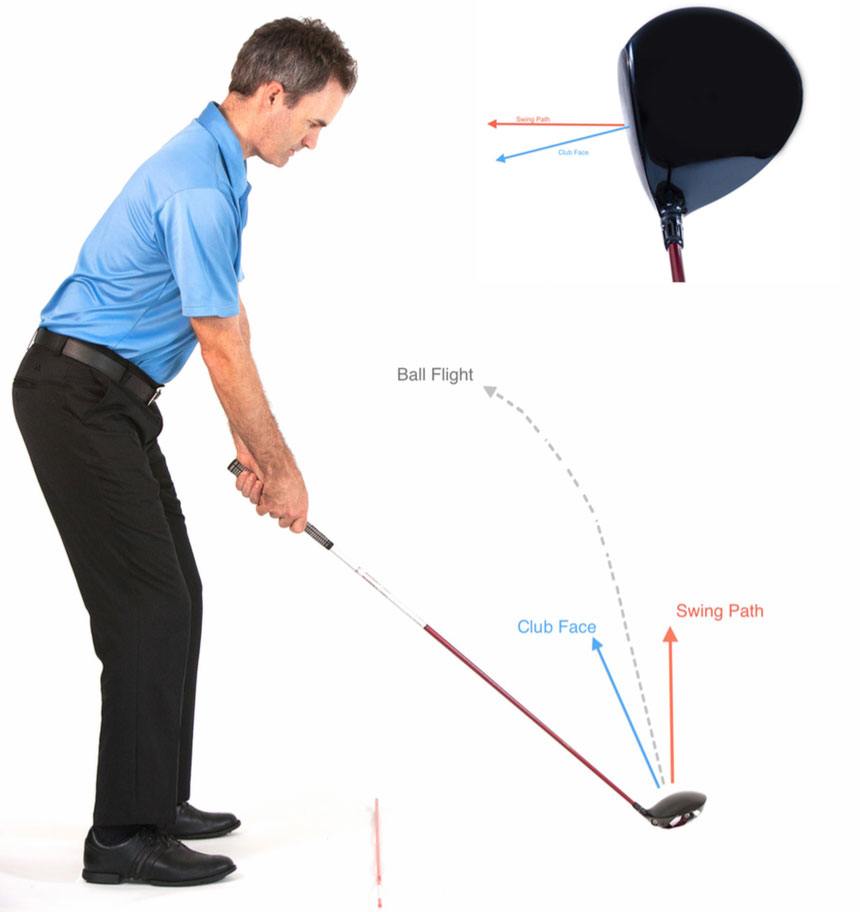
Image Source: about-golf.org
Deciphering The Hook Shot: What Makes It Curve?
To hit a hook, you need two main things to happen during your golf swing. First, the clubface must be slightly closed relative to the target line at impact. Second, the path of the clubhead must swing from out-to-in (a slice path) or, more commonly for a true draw, from in-to-out relative to the target line. When the face is closed relative to the swing path, the ball curves left. This is the basis of golf shot shaping.
Many amateur golfers fight a slice—a hitting a left-to-right ball flight. Learning to hit a hook is often the key to correcting a slice to a hook, as it gives you better control over the ball flight.
The Physics Behind The Curve
The curve of the golf ball relies on the Magnus effect. Air moves faster around the side of the ball where the spin causes the air to move in the same direction. This faster-moving air creates lower pressure. The higher pressure on the other side pushes the ball toward the lower pressure area, causing it to curve. For a hook, the ball spins from right to left (for a righty).
Key Factors for Hook Spin:
- Clubface Angle: Closed to the target line at impact.
- Swing Path: Moving in-to-out relative to the target line, or sometimes slightly out-to-in if the face is very closed.
Essential Golf Swing Mechanics for Creating a Hook
To intentionally hit a draw or hook, you must adjust several parts of your golf swing mechanics. These adjustments influence the clubface angle and the path the club takes through impact.
H4: Grip Adjustments: Setting the Foundation
Your grip is the first place to look for creating leftward movement. A grip that promotes a hook is often called a “stronger” grip.
- Strengthening Your Grip: For a right-handed golfer, turn both hands slightly to the right on the club handle. You should see two or even three knuckles on your lead (left) hand at address.
- Why it Works: A stronger grip makes it easier for the lead wrist to naturally “bow” or flatten through impact, encouraging the clubface to close more rapidly. This promotes the necessary right-to-left spin.
H4: Setup and Ball Position Adjustments
How you stand to the ball plays a big role in dictating your swing path.
- Aiming the Body (The Stance): To encourage an in-to-out path, aim your feet, hips, and shoulders slightly to the right of the target. This sets up an alignment that favors an inside path.
- Ball Position: Move the ball slightly back in your stance compared to a straight shot. Placing the ball further back in your stance helps shallow the angle of attack, which often promotes an in-to-out path.
H4: Controlling the Swing Path and Attack Angle
This is the most critical part of golf shot shaping. You are trying to promote an in-to-out swing path relative to your body line.
- The Inside Move: Focus on swinging the club on an inside track back and through. Imagine taking the club away slightly more around your body rather than straight back.
- Lag and Release: To ensure the clubface is closed by impact, you must maintain lag (delaying the release of the wrist angles) and then aggressively release the wrists through the impact zone. This aggressive turnover promotes face closure.
- Weight Transfer: Ensure a full weight shift onto your lead side (left side for a righty) on the downswing. Good weight transfer helps pull the swing path from inside the target line.
H5: Contrasting the Hook with the Intentional Fade Shot
It is useful to compare what you are doing for a hook with what you would do for an intentional fade—a shot that moves right.
| Feature | Hook Setup/Action (Draw) | Fade Setup/Action (Slice Correction) |
|---|---|---|
| Grip | Stronger (more knuckles visible) | Weaker (fewer knuckles visible) |
| Body Aim | Slightly right of target | Slightly left of target |
| Swing Path | In-to-out relative to target | Out-to-in relative to target |
| Face at Impact | Closed relative to path | Open relative to path |
| Ball Flight | Starts left/straight, curves hard left | Starts right/straight, curves gently right |
Practicing Golf Shot Curvature: Drills for Success
Learning to hit a hook reliably requires repetition. You need to feel the difference in your swing compared to your normal shot. Consistent practicing golf shot curvature builds muscle memory.
H5: The Gate Drill for Path Control
This drill helps exaggerate the in-to-out path necessary for a good draw.
- Set Up: Place two headcovers or alignment sticks just outside the toe and heel of the ball, creating a narrow “gate” your club must pass through on the downswing.
- Execution: Aim your feet and body slightly right of the target. Focus on swinging the club through the gate, ensuring the path moves inside the line connecting the gate posts.
- Goal: If you hit the outside marker, you are coming too far over the top (slice path). If you hit the inside marker, you are swinging too far from the inside (potential pull/mishit). Aim to brush through cleanly, encouraging that inside track.
H5: The Towel Drill for Face Control
This drill forces you to keep the clubface squared or slightly closed relative to the swing arc, promoting the hook spin.
- Set Up: Place a small hand towel or glove under your trailing armpit (right armpit for a righty).
- Execution: Make half swings, keeping the towel in place through impact. The need to maintain this connection often forces the hands to turn over more aggressively, which closes the clubface.
- Focus: Feel the feeling of the left hand taking over during the follow-through. This turnover is key to golf ball trajectory control.
H5: The Alignment Stick Drill for Trajectory Control
If you are working on managing ball flight in golf, use an alignment stick to ensure your body aim is set correctly for the draw.
- Setup: Place an alignment stick parallel to your target line, a few inches outside your target line, pointing toward the target.
- Swinging: Set your body alignment slightly right of this stick. Your goal is to swing the club along your body line (in-to-out relative to the target). This encourages the in-to-out motion required for a hook.
When is Hitting a Hook Beneficial?
While many amateurs fear the hook because it can lead to a severe pull or a block out of bounds if poorly executed, it is a valuable shot in the arsenal of skilled players.
H4: Shot Shaping Around Hazards
If a fairway bunker or a large tree blocks the straight path, a controlled hook (draw) allows the golfer to start the ball toward one side of the course and have it curve gently back toward the center. This is core to creative golf shot shaping.
H4: Adjusting for Wind Conditions
Hitting a draw or hook can be beneficial when playing into a left-to-right wind. A ball that curves left fights the wind more effectively than a straight shot, resulting in less drift and better distance control.
H4: Correcting a Slice to a Hook
For golfers who consistently hit slices (an hitting a left-to-right ball flight), learning the mechanics of a hook is vital. Often, the feeling of aggressively turning the hands over (which creates a hook) is exactly what eliminates the “open clubface” fault that causes the slice. Once the slice is gone, the player can dial back the aggression to hit a straight ball or a slight draw.
Common Mistakes When Trying to Hit a Hook
Trying to force a hook often leads to worse results, like a severe pull or a debilitating duck hook. Here are common pitfalls to avoid while practicing golf shot curvature.
H5: Over-Rotating the Hands Early
The most frequent mistake is flipping the hands over too early in the downswing, often called “casting.” This usually results in a very closed face early on, leading to a pull hook that flies straight left into trouble without any natural right-to-left curve. Remember, the face should be closing through impact, not drastically closed before it.
H5: Aligning Too Far Right
If you aim your entire body far too much to the right of the target to force an in-to-out path, you are likely to swing with your arms only. This can lead to a big miss to the right (a block) if you fail to square the face. The aim point should be subtle—just a few degrees right of the target line.
H5: Losing Posture and Height
When golfers try to create powerful turn or release, they often stand up out of their posture. This “early extension” raises the center of gravity through impact, often leading to a loss of connection and making it impossible to control the clubface angle consistently. Maintain your spine angle!
Advanced Concepts in Golf Ball Trajectory Control
To master the hook, you must look deeper into golf swing mechanics, specifically how the relationship between path and face influences trajectory.
H4: Path vs. Face Relation
The directional starting line is dictated almost entirely by the clubface angle at impact. The amount of curvature is determined by the difference between the club path and the clubface angle.
- If Path = Target Line, and Face is 2 degrees closed $\rightarrow$ Slight Hook.
- If Path is 4 degrees In-to-Out, and Face is 2 degrees closed $\rightarrow$ Larger Hook.
- If Path is 4 degrees Out-to-In, and Face is 2 degrees closed $\rightarrow$ Small Fade or Straight Shot (because the face is open relative to the path).
H4: The Importance of Release in Drawing the Golf Ball
A successful draw relies on proper wrist action, often referred to as the release. The lead wrist must flatten or slightly bow, and the trail wrist must add loft slightly while the hands move toward the target line. This controlled release ensures the club sweeps the ball away on that desired inside track while squaring the face up at the perfect moment.
Integrating the Hook into Your Game for Better Results
Knowing how to hit a controlled draw is more than just hitting a specific shot shape; it improves your overall control.
H4: Using the Draw to Shorten Holes
A controlled draw typically carries slightly further than a straight shot for the same swing speed because the flight path gets slightly more forward momentum initially before the curve begins. This slight distance gain is beneficial, especially with long irons or woods.
H4: Evaluating Ball Flight Management in Golf
When you can intentionally hit a hook, you can better diagnose why your straight shots aren’t working. If you try for a hook and still get a slice, you know your primary issue is failing to close the clubface. If you hit a pull hook, you know your path is too far inside or your grip is too strong. This self-correction is crucial for managing ball flight in golf.
Summary of Key Steps to Hit a Hook
To successfully start drawing the golf ball, focus on these three primary adjustments:
- Stronger Grip: Turn your hands to the right.
- Body Aim Right: Aim your feet and shoulders slightly right of the target.
- In-to-Out Path: Focus on swinging slightly inside the target line, ensuring aggressive hand turnover through impact to close the face relative to that path.
Mastering the hook allows a golfer to manipulate the ball’s flight path, offering creative solutions to course challenges and providing a powerful tool for consistent scoring.
Frequently Asked Questions (FAQ)
Q: Is hitting a hook bad for your golf game?
A: No, hitting a controlled hook (a draw) is not inherently bad. Many top professionals play a slight draw as their standard shot because it tends to be slightly longer and more penetrating than a straight ball. It only becomes a “bad” shot if it becomes uncontrollable, leading to severe pull hooks out of bounds.
Q: How can I stop hitting a pull hook when I try to hit a draw?
A: A pull hook happens when your clubface is too closed relative to your swing path, or your path swings too far to the left. To correct this when trying for a draw, slightly weaken your grip, or focus on keeping your left arm (for righties) slightly closer to your chest through impact, ensuring the face closes through the ball, not wildly before it.
Q: What is the difference between a draw and a hook?
A: A draw is a controlled, slight left-to-right curve (for a right-handed golfer) that ends up close to the target. A hook is an overly exaggerated draw—a severe curve to the left that often pulls the ball significantly off line and may even wrap around trees or structures. A draw is intentional; a severe hook is usually a result of poor timing or excessive closure.
Q: Does changing my iron setup work the same way as changing my driver setup for a hook?
A: Yes, the basic principles of golf swing mechanics (grip, path, and face angle) apply to all clubs. However, due to the shorter shaft and steeper angle of attack with irons, exaggerating the in-to-out path too much with an iron is harder and more likely to result in a mishit. For irons, focus more on a strong grip and ensuring the clubface is closing slightly relative to the target line.