
Yes, you absolutely can have a successful golf tournament fundraiser! A great event takes careful work, but the rewards for your cause are worth the effort. This guide will show you every step needed to make your charity golf outing a big hit. We will cover everything from the first idea to the final thank you note.
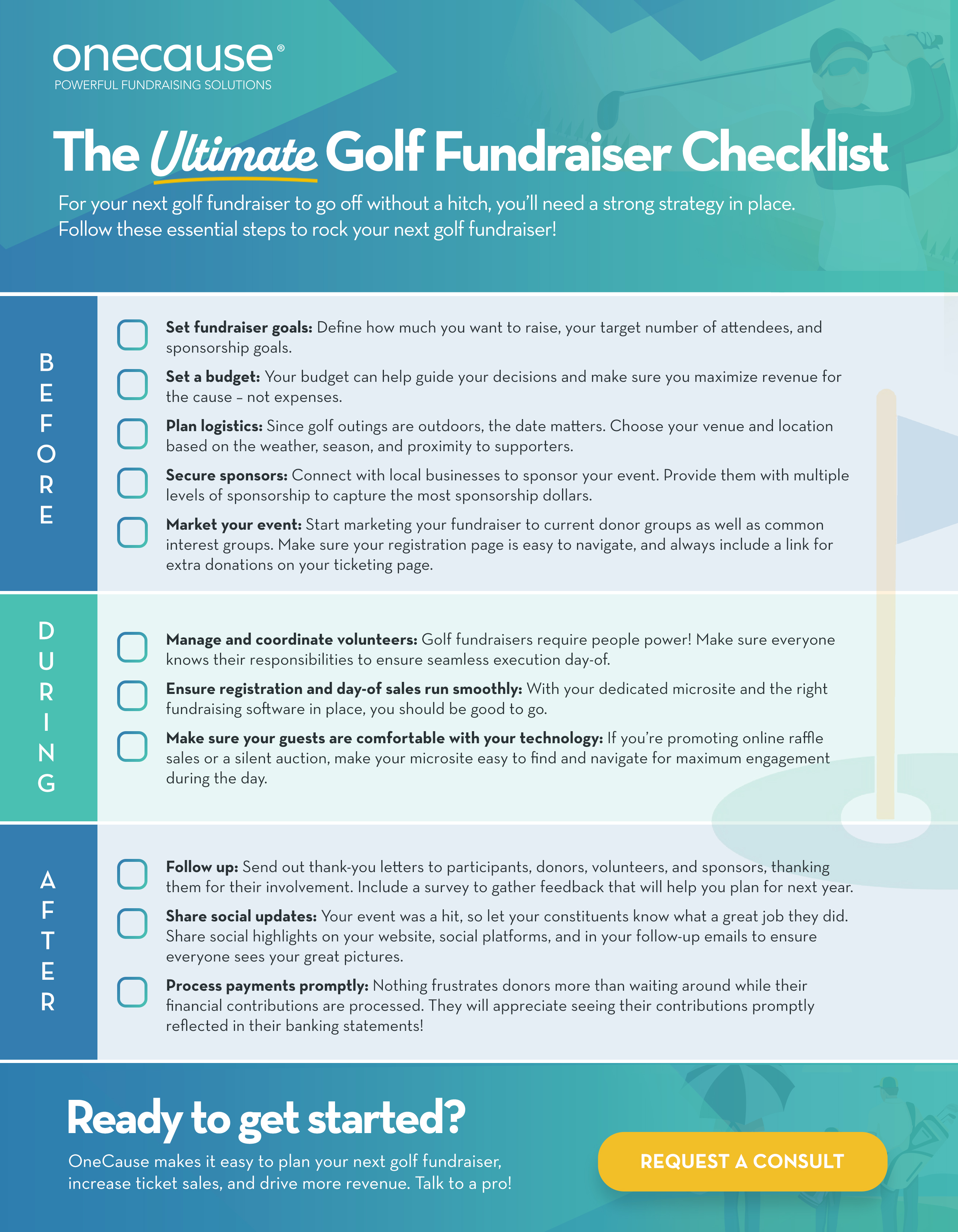
Image Source: discover.onecause.com
Setting the Stage for Your Golf Fundraiser
Before you book the course, you need a clear plan. A strong start makes everything else easier. Good planning prevents big problems later on.
Defining Your Goals and Mission
What do you hope to achieve? Set clear goals. Do you need to raise a set amount of money? Do you want to bring in new supporters for your charity? Write these goals down. Be specific.
- Financial Target: How much money must you raise?
- Engagement Goal: How many new donors do you want to sign up?
- Awareness Target: What message about your cause must people remember?
When choosing golf tournament fundraising ideas, make sure they fit your mission. If you are raising money for animal rescue, maybe you can have a “Paws on the Green” theme.
Choosing the Right Time and Place
The location and date are huge parts of planning a charity golf outing. Pick a time when people are usually free. Avoid major holidays or other big local events.
Course Selection Tips:
- Know Your Audience: Is this for serious golfers or casual players? Some courses are very hard. Others are fun for everyone.
- Check Availability: Book the course early. Popular courses fill up fast, especially on Fridays or Mondays.
- Review Costs: Look closely at what the course charges per player. Do they offer package deals?
- Course Appeal: A nice course draws more players. Good food options help too.
Securing Golf Tournament Sponsors: The Money Backbone
Sponsors are the key to making big profits. They give you money upfront. This covers your costs so player fees go straight to your cause. Learning how to approach businesses is vital for securing golf tournament sponsors.
Creating Sponsorship Tiers
Sponsors like clear choices. Offer different levels of support. Each level should give a different level of benefit.
| Sponsorship Level | Donation Amount | Key Benefits |
|---|---|---|
| Title Sponsor | \$5,000+ | Naming rights (e.g., “The [Sponsor Name] Charity Classic”), two foursomes, logo on all major materials. |
| Gold Sponsor | \$2,500 | Logo on course signage, mention in press releases, one foursome. |
| Silver Sponsor | \$1,000 | Signage at a key location (like the registration table), logo on the website. |
| Hole Sponsor | \$250 | Signage at one tee box. |
Making the Pitch
When talking to businesses, focus on their benefit, not just yours. Show them how sponsoring your event helps them look good to the community.
- Highlight Exposure: How many people will see their name? Use numbers from past events.
- Offer Value: Give them speaking time, a booth space, or the chance to hand out items in goodie bags.
- Follow Up: Be patient but persistent. Send personalized letters and emails.
Mastering Golf Tournament Logistics
Golf tournament logistics involve all the small details that make the day run smoothly. A well-oiled machine keeps players happy and stress low for your team.
The Day-Of Schedule
Map out the entire day minute by minute. Share this timeline with every volunteer and staff member.
- Early Morning (6:00 AM – 8:00 AM): Course setup, volunteer arrival, sponsor signage placement.
- Registration & Warm-up (8:00 AM – 9:30 AM): Player check-in, distribution of goodie bags, silent auction opens.
- Tee Off (9:30 AM – 10:00 AM): Shotgun start is often best for charities. Everyone starts at the same time.
- Play Time (10:00 AM – 3:00 PM): Volunteers monitor contest holes.
- Dinner & Awards (3:00 PM – 5:00 PM): Silent auction closes, speeches, prize giving.
Managing Contests and Games
Fun contests keep golfers engaged. They also offer great chances for extra maximizing golf tournament donations.
Popular Contest Ideas:
- Hole-in-One Prize: Offer a large prize, like a car or cash, for a hole-in-one. You must buy insurance for this!
- Longest Drive: Separate contests for men and women.
- Closest to the Pin: A classic that is easy to run.
- Putting Contest: Run this before the main event starts. Charge a small fee to enter.
Marketing Your Golf Fundraiser Effectively
If people don’t know about your event, they won’t come. Strong golf fundraiser marketing is essential to fill those tee boxes.
Utilizing Digital Channels
Your website and social media are your main tools. Keep the message clear and positive.
- Website Landing Page: This page must handle all information. Include the mission, cost, schedule, and sponsor logos.
- Email Campaigns: Send updates regularly. Start promoting 8-12 weeks out. Send reminders one week before and one day before.
- Social Media Buzz: Post photos of past events or prizes. Ask sponsors to share your posts. Use strong pictures of the golf course.
Traditional Outreach
Don’t forget old-school methods, especially when reaching out to potential sponsors or older donors.
- Flyers and Posters: Place them in local community centers, golf pro shops (with permission), and sponsor businesses.
- Local Media: Send a press release to local newspapers and radio stations about your charity event.
Streamlining the Golf Tournament Registration Process
A clunky sign-up process loses players. Make the golf tournament registration process simple, fast, and clear.
Online vs. Paper Registration
Online registration is almost always better. It manages payments and keeps data organized easily.
- Use Simple Forms: Ask only for necessary information: Name, email, phone, handicap (if relevant), and any special meal needs.
- Payment Integration: Use a secure system like PayPal, Stripe, or dedicated event software.
- Foursome Assignment: Ask players if they have a team they want to play with. This helps you build balanced foursomes if they sign up solo.
Key Registration Components Checklist:
- Clear pricing structure (Individual vs. Foursome).
- Option to donate extra money during registration.
- Automatic email confirmation sent upon successful sign-up.
- A clear refund policy stated upfront.
Maximizing Golf Tournament Donations Beyond Registration
The fee to play covers the course and food. The real money comes from activities during the event. This is how you focus on maximizing golf tournament donations.
Silent and Live Auctions
Auctions are donation powerhouses. Get good items early.
- Item Sourcing: Ask for donated experiences (vacations, concert tickets, spa days) instead of just physical goods. Experiences often get higher bids.
- Display Matters: Display silent auction items beautifully. Use good lighting and clear bid sheets. Group similar items together.
Raffles and “Mulligan” Sales
These are easy, low-barrier ways for people to spend a little extra money.
- Mulligans: These are “do-overs” during the game. Sell them at check-in. Limit how many each player can buy.
- Raffle Baskets: Create themed baskets (e.g., “A Night Out,” “Local Brews”). Sell tickets all day long. Draw the winners during dinner.
Fund-a-Need Segment
If you are hosting a dinner afterward, set aside 10 minutes for a “Fund-a-Need.” Have a charismatic speaker briefly share a moving story related to your cause. Ask for direct donations without any prizes attached. This often raises a surprising amount of money because people are already invested in the day.
Effective Golf Tournament Volunteer Management
Volunteers are the engine of your event. Treat them well, and they will work hard. Strong golf tournament volunteer management ensures everyone knows their role.
Roles and Assignments
Be specific about duties. Don’t assign someone to “help out.” Give them a job title.
| Volunteer Role | Key Tasks | Shift Time |
|---|---|---|
| Registration Desk | Check-in players, hand out scorecards, sell mulligans. | 1.5 hours before start to 1 hour after start. |
| Contest Monitors | Oversee the Longest Drive and Closest to the Pin holes. Collect entry fees for these contests. | Full duration of play. |
| Prize Runner | Help tally scores, organize prizes, deliver awards to winners. | During dinner/awards. |
| Set-up/Tear-down Crew | Place signs, manage goodie bags, clean up afterwards. | Before and after the event. |
Training and Appreciation
Hold a brief orientation meeting before the event starts. Show them where the restrooms, water stations, and first aid are. Always feed your volunteers well! A simple thank-you gift makes a huge difference.
Post-Tournament Golf Fundraising Follow-Up
The event is over, but your work is not done. The follow-up solidifies relationships and sets you up for next year. This phase involves post-tournament golf fundraising follow-up.
Thanking Everyone Promptly
Speed matters here. Send thank-you notes within 48 hours of the event.
- Sponsors: Send a formal letter detailing exactly how many people attended and where their logo appeared. Include photos of their signage in action.
- Players: Send an email thanking them for playing. Include a few great photos from the day. Share the total amount raised!
- Volunteers: A personalized thank-you note or small gift card goes a long way.
Financial Reconciliation and Reporting
Be transparent about the money. Show people that their money was used well.
- Create a simple, one-page summary: Total Raised, Total Costs, Net Amount Donated to Charity.
- If possible, show a specific impact: “The \$15,000 we raised will provide 500 hot meals.”
Gathering Feedback
Send a short survey to all attendees and sponsors. Ask simple questions:
- How was the registration process? (Scale of 1-5)
- Did you enjoy the food?
- What could we improve for next year?
This feedback is gold for your next event planning cycle. Use it to refine your successful golf outing checklist for the future.
Advanced Tips for Tournament Success
To move from just “good” to “great,” focus on enhancing the player experience. Happy golfers come back every year and bring their friends.
Enhancing Player Experience (The Little Touches)
These small details separate average events from exceptional ones.
- High-Quality Goodie Bags: Fill bags with useful items: high-quality balls, premium tees, sunscreen, and maybe a branded bottle opener. Avoid cheap plastic trinkets.
- On-Course Refreshments: Don’t just rely on the beverage carts. Have volunteers walking the course offering cold water, soda, or even small snacks like granola bars at the halfway point (the turn).
- Photography: Hire a professional photographer to take action shots. Give players access to download these photos for free afterward. This is a huge perceived value.
Dealing with Weather Contingencies
Always have a rain plan. Discuss this with the course manager beforehand.
- Rain Date: Have a backup date secured when booking.
- Cancellation Policy: Clearly state what happens if the event is canceled due to weather (e.g., partial refund, full donation credit). Some charities opt to keep the full fee if the course has already been paid for, but this must be clear from day one.
Frequently Asked Questions (FAQ)
How much money should I charge per golfer?
This depends heavily on your venue cost and sponsorship level. A common rule is to aim for your per-golfer fee to be 2-3 times the actual cost of their meal and greens fee. If the course costs you \$75 per person, charging \$200-\$250 is a good starting point, allowing room for donations.
What is the best day of the week for a golf fundraiser?
Mondays and Fridays are often best for charity events, as corporate golfers may have fewer outside commitments than on weekends. Tuesdays and Wednesdays can also work well if targeting local business owners.
How far in advance should I start planning?
For a large, successful event, start planning at least six to nine months out. This gives you ample time for securing golf tournament sponsors and booking a desirable date.
Can I use this event to recruit new volunteers?
Yes! Make sure your volunteer orientation is fun and efficient. If volunteers have a great time helping out, they are much more likely to sign up for other duties later.
What is the minimum number of golfers needed to make this worthwhile?
This depends on your fixed costs (insurance, rental fees). Generally, aim for at least 60-72 players (15-18 foursomes) to ensure you cover basic overhead and have enough revenue left over for your charity.