
Can I become a golf pro at a country club? Yes, you absolutely can become a golf pro at a country club by gaining significant playing experience, pursuing specialized education, and completing the rigorous requirements set by the Professional Golfers’ Association (PGA) of America. This path requires dedication, skill, and a commitment to customer service.
The journey to becoming a golf professional at a private country club is demanding. It blends high-level playing ability with strong business acumen and excellent interpersonal skills. Unlike touring professionals whose primary focus is competition, club professionals are educators, managers, and hosts. They run the entire golf operation. This article will walk you through every step needed to achieve a club professional career path in this rewarding field.
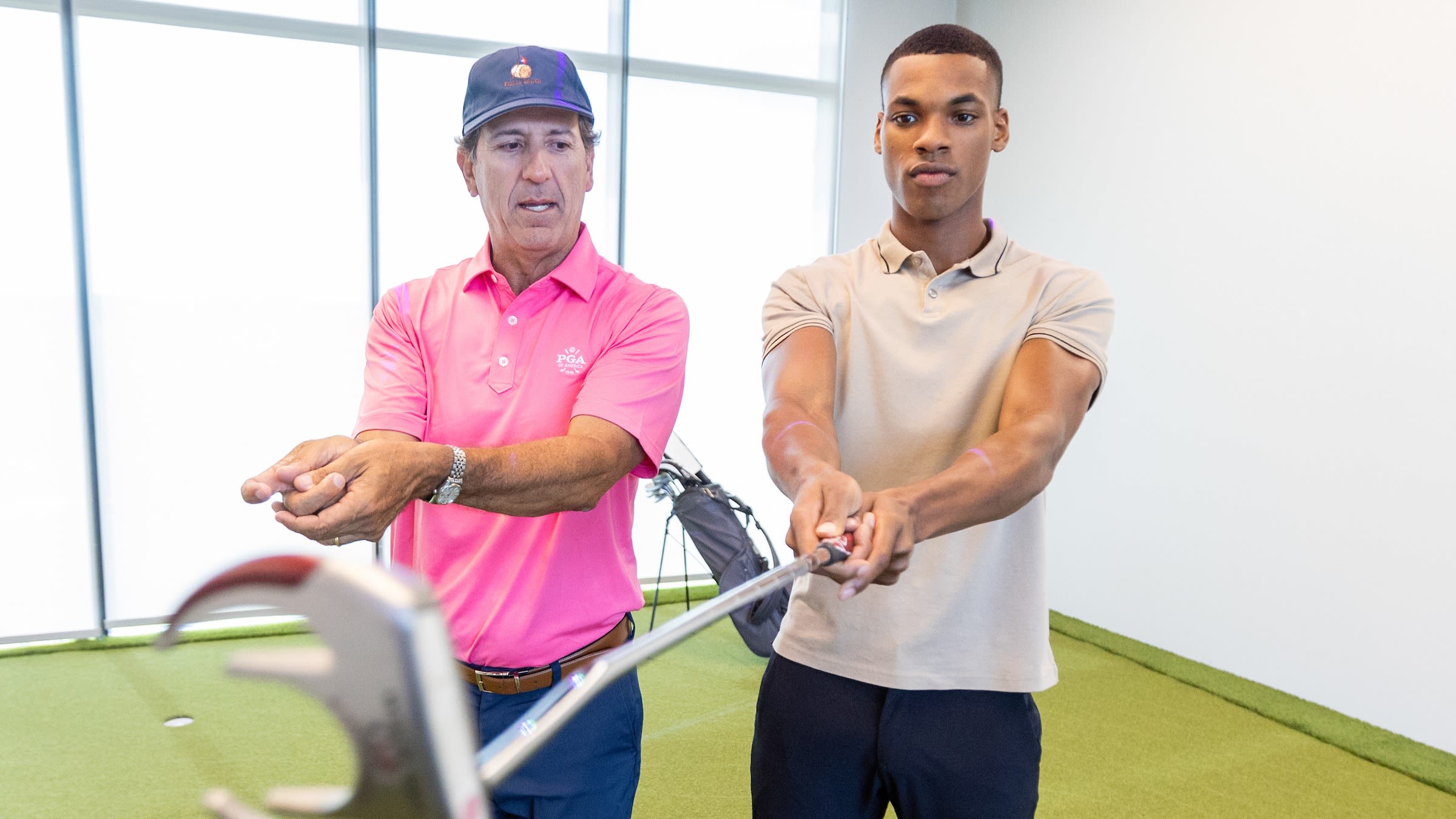
Image Source: images.ctfassets.net
Laying the Foundation: Essential Skills and Experience
Before you even think about PGA professional certification, you need a strong base in golf itself. This includes both playing skill and real-world exposure to the golf industry.
Developing Elite Playing Skills
While you do not need to be a touring professional, you must possess a high level of playing ability. Members at country clubs expect their professionals to be credible instructors, and credibility comes from demonstrable skill.
- Achieving a Low Scoring Average: Aim for a consistent scoring average in the low to mid-70s, depending on the difficulty of the courses you play.
- Tournament Play: Compete in local and regional amateur tournaments. This builds mental toughness and experience under pressure, vital for teaching students who face similar situations.
- Short Game Mastery: The best pros have flawless short games. Spend significant time practicing chipping and putting. This area separates good players from great ones.
Gaining Essential Industry Exposure
Working at a golf facility is crucial. You need to see the day-to-day reality of the job. Look for entry-level positions at any type of golf facility—public, municipal, or private.
Entry-Level Roles to Seek:
- Bag Room Attendant: This role teaches you customer service from the ground up. You interact with members daily, learn names, and see how the flow of play is managed.
- Cart Attendant: Responsibility for the fleet of carts and range ball upkeep gives you a look into course operations.
- Outside Services Staff: This role often involves setting up the practice areas, assisting pros with clinics, and interacting directly with the country club golf instructor team.
These early roles are vital for a future golf operations manager job. They show future employers that you respect all facets of the business, not just the playing aspect.
The Formal Route: PGA Professional Certification
The PGA of America manages the path to becoming a certified professional. This is a multi-stage process designed to test your knowledge in playing, teaching, and business management. This is the backbone of achieving PGA membership.
Step 1: Meeting the Initial Eligibility Requirements
To even start the process, you must meet basic standards set by the PGA.
- Age Requirement: You must generally be at least 18 years old.
- Employment Status: You must be working in a golf-related job, typically at a recognized golf facility. This requirement proves your commitment to the industry.
- Playing Ability Test (PAT): This is a major hurdle. You must shoot a qualifying score over 36 holes (two rounds) at an approved facility. The target score is usually 10 to 15 strokes over the course rating, depending on the facility’s difficulty. Failing the PAT means you must wait and try again.
Step 2: Enrolling in the PGA PGM Program
The PGA Professional Golf Management (PGM) Program is the formal education component. It is typically a four-year program offered through accredited colleges, or a comprehensive three-level coursework structure for those already working.
Core Curriculum Areas:
The PGM program covers the main pillars of the golf course management career. It moves beyond just hitting the ball.
- Golf Operations: Focuses on running the pro shop, tournament administration, and merchandising.
- Teaching, Coaching, and Player Development: This is where you hone your professional golf instructor training. It covers swing mechanics, sports psychology, and lesson planning.
- Golf Shop Management: Covers finance, marketing, and human resources relevant to running a golf business.
- Club Repair and Maintenance: Basic knowledge of equipment setup is essential for any country club golf instructor.
Step 3: Completing the PGA Playing Ability Test (PAT)
As mentioned, the PAT is a performance test. It confirms you have the playing ability expected of a PGA member. Many aspiring pros take the PAT multiple times. Successful completion unlocks further advancement in the PGM program.
Step 4: The Required Work Experience
Formal education must be matched with practical, supervised experience. You must work under the guidance of an experienced PGA Professional for a specified period. This supervised mentorship is where you truly begin golf teaching professional requirements in practice.
Transitioning to a Full PGA Professional Certification
Once the coursework and required experience are completed, the final steps focus on comprehensive testing and final induction.
The PGM Achievement Standards Test (AST)
The AST is a comprehensive examination covering all the knowledge gained in the PGM coursework. It tests your business knowledge, teaching theory, and rules comprehension. Passing this test shows you are ready for management responsibilities.
The Final Hurdle: Official Induction
After passing the AST, completing the work hours, and fulfilling all playing requirements, you are officially inducted as a PGA Member. This designation is the gold standard for becoming a head golf professional.
Beyond Certification: Roles in a Country Club Setting
Holding the PGA professional certification opens several doors at a country club. The roles vary significantly in responsibility and focus.
The Assistant Professional Role
Most pros start here after certification. The Assistant Professional supports the Head Golf Professional.
Responsibilities Often Include:
- Conducting daily lessons and clinics.
- Managing tee sheets and customer relations.
- Assisting with merchandising and inventory.
- Learning the intricacies of daily tournament operations.
This role is crucial for developing managerial skills needed for higher posts. It is the direct stepping stone to a golf teaching professional requirements fulfillment role outside of entry-level instruction.
The Country Club Golf Instructor Specialist
Some professionals choose to specialize purely in teaching. They focus intensely on player development programs, junior golf, and advanced instructional techniques. While they may not handle all day-to-day operations, their revenue generation comes heavily from high-value private lessons and specialized camps.
The Golf Operations Manager Job Track
This role is heavily focused on the business side. It requires strong accounting, marketing, and human resource skills. The manager oversees all golf services, including the pro shop, outside services, and sometimes even course maintenance coordination.
Becoming a Head Golf Professional
The Head Professional is the face of the golf department. This is the ultimate goal for many club professionals. This role demands leadership, financial oversight, and the ability to build strong relationships with the membership.
Key Duties of a Head Professional:
- Developing the annual operating budget.
- Hiring, training, and supervising all golf staff.
- Creating long-term strategic plans for the golf program.
- Acting as the main liaison between the professional staff and the club’s board of directors.
Salary and Career Progression
What can you expect financially? Golf pro salary expectations vary widely based on location, club prestige, and your specific role.
| Role | Typical Location | Estimated Base Salary Range (USD) | Bonus/Incentive Potential |
|---|---|---|---|
| Apprentice/Assistant Pro | Mid-level Club | \$35,000 – \$55,000 | Low |
| Country Club Golf Instructor (Specialist) | Private Club | \$50,000 – \$75,000 | Medium (Lesson Income) |
| Golf Operations Manager Job | High-Volume Club | \$70,000 – \$100,000+ | Medium to High |
| Head Golf Professional | Elite Private Club | \$100,000 – \$200,000+ | High (Profit Sharing/Bonus) |
Note: These figures are estimates and do not include potential outside income from equipment fittings or endorsements, which can significantly boost earnings, especially for highly sought-after instructors.
The compensation package for a Head Professional at an elite club often includes significant performance bonuses tied to budget adherence, membership growth, and successful tournament hosting.
Mastering the Business of Golf
A common mistake aspiring pros make is focusing only on instruction. To succeed in a golf course management career at a country club, you must master retail and service.
Merchandising Excellence
The pro shop is a profit center. A successful professional knows how to buy, price, and present merchandise effectively.
- Inventory Turnover: Keeping inventory fresh and selling through last year’s stock efficiently is critical.
- Custom Fittings: Offering club fitting services using technology (like launch monitors) adds significant revenue and value for members.
Tournament Operations
Hosting member events, club championships, and inter-club matches requires meticulous planning. This is where your organizational skills shine.
Key Tournament Elements:
- Rules adjudication and enforcement.
- Managing registration and scoring.
- Ensuring smooth pace of play for all participants.
- Post-event analysis for improvement next year.
Advanced Specializations and Continuing Education
The world of golf evolves rapidly. Achieving PGA membership is the start, not the end, of your education. Golf technology and teaching methods constantly change.
Player Development Specialization
To truly excel as a golf teaching professional requirements specialist, continuous learning in biomechanics and technology is mandatory.
- Advanced Certifications: Pursuing certifications through organizations like the Titleist Performance Institute (TPI) or specialized trackman certifications enhances your teaching credibility immensely.
- Junior Golf Programs: Developing robust junior programs is a major selling point for modern country clubs. A pro who can nurture young talent is highly valued.
Management Track Certifications
If your sights are set on the Director of Golf role, often the step above Head Professional, look into business certifications. These programs offer deeper dives into finance specific to private club operations. Pursuing the golf operations manager job track requires this business acumen.
The Intangibles: Soft Skills for Club Success
In the service industry, especially private clubs, soft skills often outweigh technical skills. Members are paying for an experience, not just lessons.
Relationship Building and Diplomacy
You must be a confidant, a coach, and a diplomat.
- Active Listening: Hear what the member really wants from their game.
- Handling Conflict: Diplomatically handle disagreements over rules, tee times, or pace of play.
- Building Rapport: Learn members’ families, interests outside of golf, and career paths. This creates loyalty.
Professional Presentation
As a representative of the club, your appearance matters immensely. This covers attire, demeanor, and communication style. Maintain a polished, professional image at all times, even when you are working on the driving range in the early morning.
The Club Professional Career Path Summary
The pathway requires balancing three core areas: Playing, Teaching, and Business. Here is a simplified roadmap:
| Stage | Primary Focus Area | Key Milestone | Duration Estimate |
|---|---|---|---|
| 1 | Playing Skill & Exposure | Entry-level employment | 1–3 Years |
| 2 | Education & PAT | Enrolling in PGM Program, Passing PAT | 1–2 Years |
| 3 | Formal Training | Completing PGM Coursework & Work Experience | 3–4 Years |
| 4 | Certification | Passing AST, Achieving PGA Membership | Ongoing Assessment |
| 5 | Initial Career Roles | Assistant Pro, Country Club Golf Instructor | 2–5 Years |
| 6 | Advancement | Becoming a Head Golf Professional, Golf Operations Manager Job | Variable |
The entire process, from starting work to achieving PGA membership, often takes a minimum of 5 to 7 years of dedicated effort.
Frequently Asked Questions (FAQ)
Q: Do I need a college degree to become a PGA Professional?
A: While a college degree is not strictly required if you complete the three-level PGM coursework structure, many accredited colleges offer four-year degrees that integrate the PGM curriculum. A degree significantly helps when applying for management roles later on.
Q: How important is my playing handicap for certification?
A: Your handicap is less important than your score on the Playing Ability Test (PAT). The PAT is a specific, challenging performance benchmark you must pass to be accepted into the certification program.
Q: Are touring professionals members of the PGA of America?
A: Most touring professionals, like those on the PGA Tour, are members of the PGA Tour organization, which is separate from the PGA of America. PGA of America members are primarily focused on the golf industry’s business and teaching sectors, such as those working at a country club.
Q: Can I specialize only in teaching and skip the business focus?
A: While you can focus heavily on instruction, the PGA professional certification requires a strong foundation in golf operations and management. Even a dedicated golf teaching professional requirements role at a club needs a basic grasp of merchandising and administration to be an effective employee.