
The amount a professional golfer salary varies greatly, ranging from minimal earnings on smaller circuits to tens of millions of dollars for top players on the PGA Tour earnings.
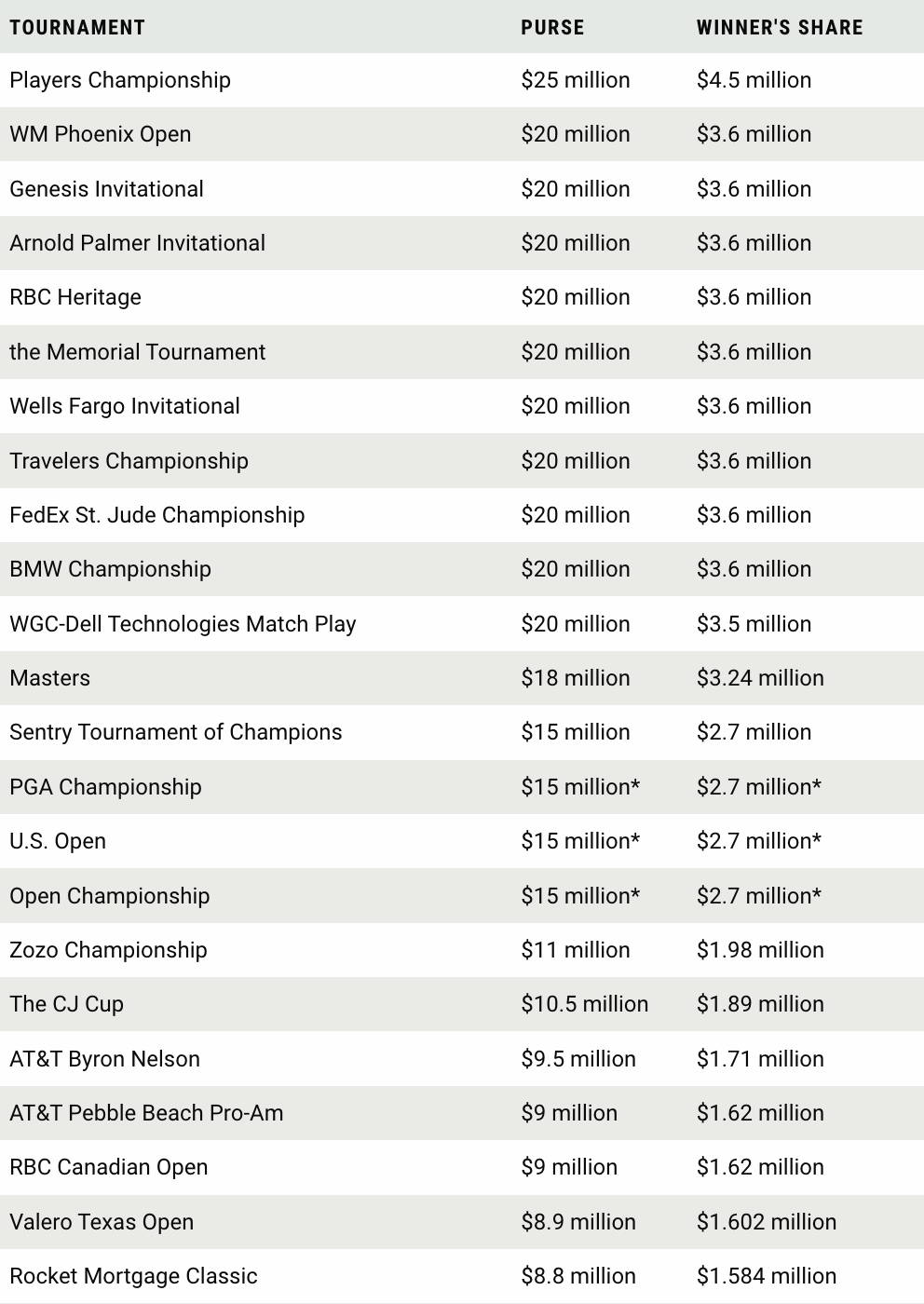
Image Source: ucarecdn.com
The Wide Spectrum of Professional Golf Pay
Golf is unique. Unlike team sports, there are no fixed contracts for most players. Success hinges entirely on performance each week. A player who misses the cut earns nothing for that event, sometimes not even covering travel costs.
Deconstructing the Earnings Structure
The income for a touring pro comes from three main sources: prize money, appearance fees (for non-PGA Tour events), and endorsements. For elite players, endorsements often dwarf their on-course winnings.
Prize Money: The On-Course Paycheck
Prize money is the most visible component of a pro golfer’s income. This money is distributed based on finishing position in a tournament.
PGA Tour Earnings: The Apex of Pay
The PGA Tour earnings represent the highest level of prize money available worldwide. Tournaments offer millions, with recent events pushing purses well over $15 million. The winner typically walks away with 18% of the total purse.
Table 1: Typical PGA Tour Payout Structure Example
| Finishing Position | Approximate Percentage of Purse | Notes |
|---|---|---|
| 1st Place | 18.0% | Massive payday, secures spot in big events. |
| Top 10 | Varies (Drops quickly) | Significant money that often boosts FedEx Cup standing. |
| Made Cut (e.g., 40th) | 1.0% – 1.5% | Enough to cover expenses and turn a small profit. |
| Missed Cut | $0.00 | No prize money awarded. |
The FedEx Cup Playoffs offer even larger payouts. Winning the Tour Championship results in massive winnings, sometimes exceeding $18 million for the season-long champion.
LPGA Tour Payout Dynamics
The LPGA Tour payout structure is also strong but generally features smaller overall purses than the men’s top tour. However, the gap is closing. Top female players still earn substantial amounts, especially at major championships.
The Grind: Korn Ferry Tour Earnings
For golfers fighting to reach the PGA Tour, the journey is much tougher. Korn Ferry Tour earnings are significantly lower. While the top finishers secure PGA Tour cards, the base earnings can be small. Many players on this developmental tour struggle to break even after travel and coaching fees. They rely heavily on outside support or savings.
Golf Major Prize Money
The four major tournaments (The Masters, PGA Championship, U.S. Open, and The Open Championship) always offer the largest purses outside of the Tour Championship. Winning golf major prize money can instantly transform a player’s financial standing for the year.
The Question of a Professional Golfer Salary
What is a professional golfer salary? There is no fixed professional golfer salary unless a player secures a special exemption or has long-term sponsorship guaranteeing a baseline income, regardless of performance. Most pros have zero guaranteed income from the tour itself. They only get paid if they perform well that week.
Guaranteed Money Professional Golf: A Rare Perk
Guaranteed money professional golf primarily exists for a few select players who receive invitations to limited-field, elevated events on the PGA Tour. These players are assured a minimum payday, even if they finish last. This small group represents the exception, not the rule, for the thousands of hopefuls on the worldwide tours.
Beyond Prize Checks: The Business of Being a Golfer
For established stars, on-course winnings are just part of the picture. The real wealth often comes from their brand.
The Power of Touring Pro Endorsements
Top players sign major deals with equipment manufacturers (clubs, balls), apparel companies, and large corporations (cars, banks, technology). These touring pro endorsements can pay millions annually.
- Equipment Deals: Players are paid to use specific brands of clubs, bags, and balls.
- Apparel/Footwear: Deals cover clothing worn during play and practice.
- Corporate Sponsorships: Large logos on hats and sleeves represent massive income streams.
A player ranked 50th in the world might earn $1 million in prize money but $5 million from endorsements. The world number one can pull in $50 million or more from sponsorships alone.
Appearance Fees and Exhibition Play
Some international tournaments, or events held outside the main PGA Tour schedule, pay players simply to show up. These appearance fees are kept secret. They are a way for smaller tours or host countries to attract top-tier talent to boost ticket sales and media interest.
The Support Team: Who Else Gets Paid?
Golf is an individual sport, but it takes a team to succeed at the highest level. These support roles also generate income.
Caddie Earnings: Walking the Bag
A caddie earnings structure is based on a percentage of the player’s winnings. It is a high-risk, high-reward job.
Typical Caddie Pay Structure:
- Base Salary: A small weekly retainer (often $1,000 – $2,000) to cover basic expenses, regardless of performance.
- Percentage of Winnings:
- Making the cut: 5% of the player’s winnings.
- Top 10 finish: 7% of the player’s winnings.
- Win: 10% of the player’s winnings.
If a player wins a $15 million event, the caddie earns $1.5 million that week. If the player misses every cut, the caddie earns only the small weekly retainer, which may not cover their significant travel costs.
The Hidden Income: Coaches and Agents
Coaches and agents take a percentage of the player’s total earnings—often 10% to 20% combined—from prize money and endorsements. This means they only get paid when the golfer gets paid.
Life After Winning: Coaches and Instructors
Not everyone plays full-time competitive golf. Many former players or skilled instructors find stable, good incomes teaching others.
Golf Instructor Income
The golf instructor income path offers stability. Teaching professionals, especially those certified by major associations or working at high-end country clubs, command excellent hourly rates.
- Club Professionals: These instructors work at private clubs. They might earn a base salary plus lesson fees. Their income can range from $75,000 to over $200,000 depending on the club’s prestige and the instructor’s reputation.
- Private Coaches (High Profile): Coaches who work with PGA Tour players often charge premium rates for their time, even when not traveling with the player.
Successful instructors build strong local reputations, relying on loyal clients rather than tournament performance.
Financial Realities on the Developmental Tours
The financial picture for golfers trying to “make it” is often stark.
The Cost of the Chase
To compete on the Korn Ferry Tour, or the Latin America or Asia Tours, players must fund everything: entry fees, travel, accommodation, coaching, and fitness training. These costs can easily exceed $50,000 to $80,000 per year before a ball is struck.
For players ranked outside the top 200 globally, making enough to cover expenses is the primary goal, not getting rich. A year spent without playing well often means taking out loans or relying on family funds just to maintain a professional status.
Analyzing Tour Championship Winnings
The Tour Championship is the grand finale of the PGA Tour season. The prize structure here is heavily weighted toward the winner. Tour championship winnings not only provide a massive payout for that specific tournament but also award bonus money based on the season-long FedEx Cup standings. Winning this event often means securing career-defining wealth in one single week.
Fathoming Financial Disparity: Winners vs. Survivors
The gap between the top 10 players globally and those trying to keep their tour cards is massive.
The Superstars (Top 10)
Players like Scottie Scheffler or Rory McIlroy often earn $50 million to $80 million annually, combining tour winnings and endorsements. They are playing for legacy and record-breaking payouts.
The Middle Class (Ranked 50-150)
These players rely heavily on performance. A solid year might bring $1.5 million to $3 million in prize money. After paying taxes, agents, coaches, travel, and mandatory expenses (like appearance fees for certain events they must play), the net income can be comparable to a high-earning corporate job, but with zero job security.
The Strugglers (Ranked 200+)
These players often scrape by, making less than $100,000 from prize money. They must find outside funding or work part-time jobs (like teaching) during the off-season just to afford entry into the next developmental event.
FAQ: Common Questions About Golfer Income
Q: Do all PGA Tour players get paid even if they miss the cut?
A: No. If a player misses the cut (usually after two rounds), they receive no prize money for that event. They only get paid if they play all four rounds.
Q: How much money does a caddie make if the golfer wins a major?
A: If a golfer wins a major, the caddie typically receives 10% of the total purse. For a major with a $3 million top prize, the caddie earns $300,000 for that one week of work.
Q: Are appearance fees common for all PGA Tour golfers?
A: No. Appearance fees are generally reserved for established stars or international players who draw large crowds to events outside the main PGA Tour calendar. Regular PGA Tour members do not receive appearance fees for standard weekly events.
Q: How do golfers handle taxes on their earnings?
A: Professional golfers are independent contractors. They face high tax burdens because they pay self-employment tax, plus income tax in every country where they compete. They must pay non-resident taxes in numerous foreign nations.
Q: What percentage of professional golfers actually make a good living?
A: Most estimates suggest that only the top 200 to 300 golfers worldwide earn enough consistently from prize money to be considered financially secure without needing heavy outside sponsorship support.