
The typical knee replacement golf return time is generally between three and six months after surgery, but this timeframe varies greatly based on individual healing, adherence to therapy, and the specific demands of your golf swing. You can usually start putting early, around six to eight weeks, but full swings require more stability.
Returning to activities you love, like golf, after a total knee arthroplasty (TKA) is a major goal for many patients. It signals a true return to normal life. However, rushing this process can lead to setbacks, pain, or even damage to your new joint. This guide will walk you through the steps, timelines, and necessary precautions for a safe return to golf after knee arthroplasty.
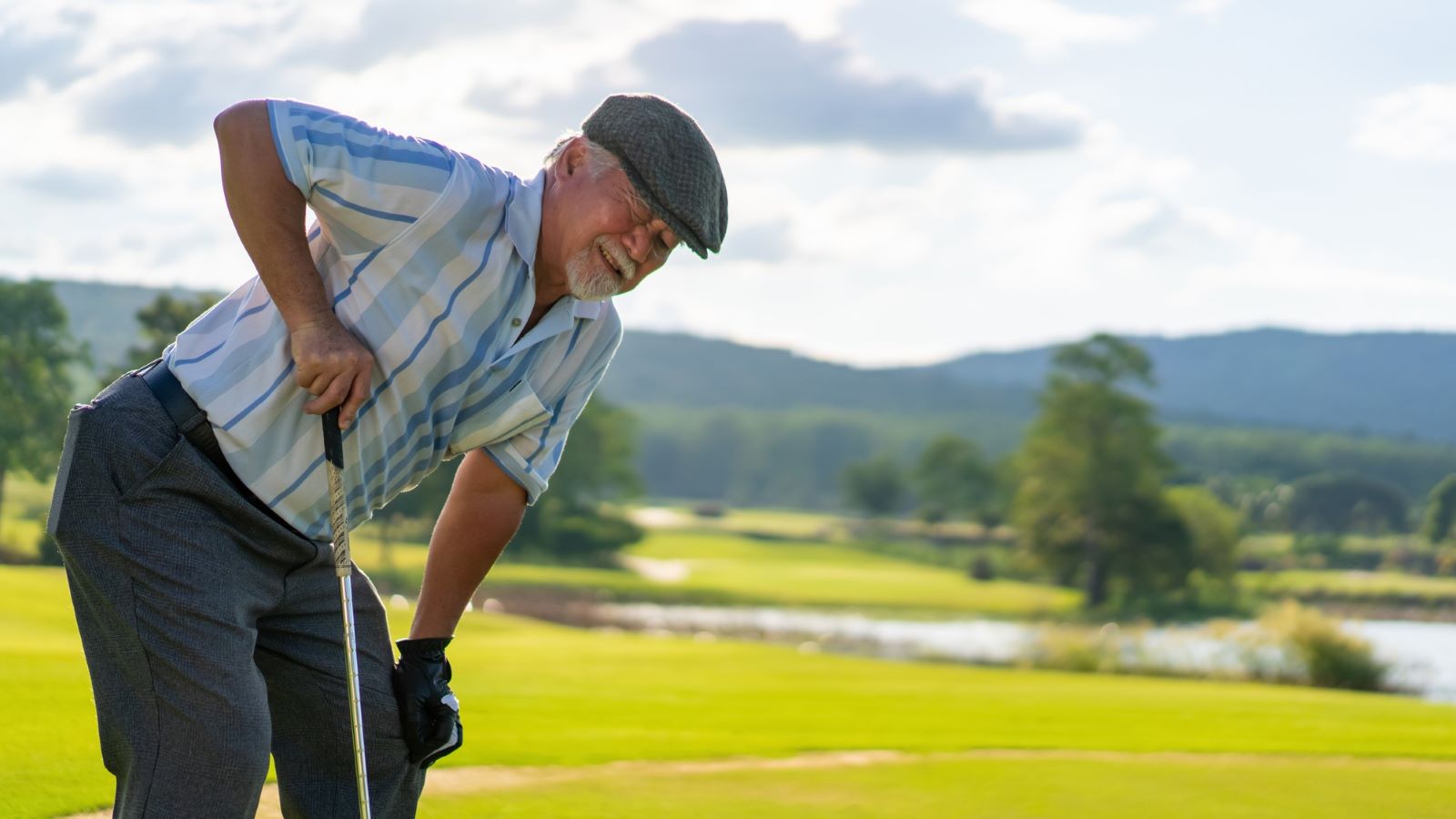
Image Source: healthnewshub.org
Factors Guiding Your Return to Golf After Knee Replacement
Deciding when can I play golf after knee replacement surgery is not a simple matter of counting weeks. Several key factors must align before you step onto the course. Your orthopedic surgeon and physical therapist are your primary guides.
Individual Healing and Recovery Pace
Everyone heals differently. Factors that affect your speed of recovery include:
- Age and Overall Health: Younger, healthier individuals often heal faster.
- Quality of Pre-Surgery Fitness: Being fit before surgery helps build a better starting point for recovery.
- Surgical Technique and Implant Type: Modern techniques often allow for faster initial progress.
- Commitment to Rehabilitation: Consistent effort in physical therapy is crucial.
Strength and Range of Motion Benchmarks
Before you can swing a club effectively or safely, you must meet certain physical benchmarks. These are often measured in physical therapy sessions.
Required Range of Motion (ROM)
A full golf swing requires specific bending and straightening of the knee.
- Flexion (Bending): You generally need at least 120 degrees of knee bend for a deep squat or a full backswing rotation. Many surgeons require 110 to 120 degrees before clearing you for golf.
- Extension (Straightening): Complete, zero-degree extension is vital for a proper stance and gait. Lack of full extension severely limits your swing potential.
Required Strength
Your leg muscles must be strong enough to support the torque of the golf swing.
- Quadriceps Strength: These muscles control straightening the leg and stabilizing the knee during weight transfer.
- Hamstring Strength: These help with deceleration and bending during the follow-through.
- Hip and Core Strength: A powerful golf swing relies heavily on rotation from the hips and core, not just the knee. Weakness here forces the knee to compensate, leading to strain.
The Timeline for Golf After Knee Replacement
The post-total knee arthroplasty golf journey is progressive. It moves from gentle range-of-motion work to gentle practice, and finally, full play.
Phase 1: Early Recovery (Weeks 1–6)
In this phase, the focus is entirely on pain management, wound healing, and regaining basic walking ability.
- Activities Allowed: Light walking, stationary cycling (low resistance), gentle range-of-motion exercises (passive and active assisted).
- Golf Status: None. Hitting the ball, even lightly, is strictly prohibited. The joint is still too fragile.
Phase 2: Building Foundation (Weeks 7–12)
This is where dedicated physical therapy for golf after knee replacement starts to ramp up. You should have good functional mobility for daily living.
- Focus: Increasing strength (especially quadriceps), improving balance, and perfecting walking gait.
- Early Golf Introduction: If cleared by the therapist, some patients start practicing very light chipping and putting on soft surfaces. This introduces the sensation of rotation without significant impact or torque.
Phase 3: Gradual Reintroduction (Months 3–5)
This stage focuses on translating functional strength into sport-specific movements. This is where the knee replacement golf return time starts to narrow down for many active players.
- Strength Training: Intensity increases. Focus shifts to single-leg stability drills and rotational exercises that mimic the golf swing foundation.
- Swing Practice: Often starts with a plastic practice aid or a very light driver, focusing only on half swings or quarter swings while standing still (no walking required). The goal is smooth mechanics, not distance.
Phase 4: Return to the Course (Months 5+)
Clearance for playing a full round is usually given by the surgeon between four and six months.
- On the Course: Start with just 9 holes. Use a golf cart to minimize walking stress initially. Do not carry your bag.
- Focus: Monitor how the knee feels after walking and swinging. Pay close attention to swelling or new pain afterward.
Physical Therapy for Golf After Knee Replacement: The Key Component
Physical therapy (PT) is non-negotiable for a successful return to the fairway. It must be tailored not just to knee recovery, but specifically to the movements required for golf.
Strengthening Rotational Muscles
The golf swing is a rotational sport. Your physical therapist will emphasize exercises that stabilize the joint during twisting.
| Exercise Focus | Purpose for Golf | Example Activity |
|---|---|---|
| Hip Abduction/Adduction | Prevents the lead knee from caving in during the downswing. | Side-lying leg lifts, resistance band walks. |
| Trunk Rotation | Develops the core engine of the swing. | Medicine ball twists (slow and controlled). |
| Single-Leg Balance | Essential for the weight shift phase of the swing. | Standing on one leg while performing slow torso turns. |
Restoring Dynamic Stability
Dynamic stability means your knee stays aligned while moving. A functional return to golf after TKR depends heavily on this. PT will introduce exercises that challenge stability slightly, mimicking the loading and unloading phases of the swing.
- Step Downs: Controlled lowering onto one leg.
- Squat Patterning: Learning to squat correctly ensures your weight stays over the center of the foot, reducing stress on the knee joint.
Golf Swing Mechanics After Knee Replacement
Your old swing might need adjustments. The joint mechanics after TKA are different, and forcing the old movement pattern can cause pain or lead to early loosening of the implant.
Knee Replacement Restrictions on Golf
While modern implants are incredibly durable, there are still limits to protect the hardware:
- No Deep Crouching: Deep squatting (like reaching for a ball near the hole or a very low lie) puts high compressive force on the joint. Avoid these situations or use specialized tools (like a long putter or a mobility aid) to stay upright.
- Controlled Pivoting: During the follow-through, the back knee naturally rotates significantly. After TKA, rapid, forced rotation can irritate the soft tissues or strain the joint. Focus on pivoting through the hips instead of locking and twisting the knee.
- Avoid Uneven Terrain Initially: Cart paths, steep hills, or deep sand traps place uneven loading on the knee. Stick to flat ground early on.
Adjusting the Stance and Setup
Many golfers find they benefit from subtle changes to their posture.
- Wider Stance: A slightly wider stance provides a more stable base, requiring less lateral shifting of weight and reducing the need for extreme knee bending to maintain balance.
- Posture over Knee Flexion: Try to achieve the necessary posture by bending more from the hips and maintaining a more upright torso, rather than excessively bending the knees.
It is highly recommended to consult with a golf professional who has experience working with golfers recovering from surgery. They can help integrate your new physical capabilities into an efficient swing.
Addressing Specific Golf Activities
Not all golf activities are created equal regarding joint stress.
Putting: The First Return
Putting is the least stressful golf activity. It involves minimal rotation, little impact, and usually a short, controlled movement.
- When: Often cleared around 6 to 8 weeks, provided you can stand comfortably for 10-15 minutes without excessive pain.
- Tip: If you struggle bending over, consider using a longer putter (a broomstick putter or belly putter) that allows you to stand more upright.
Chipping and Pitching
These involve slightly more rotation and require more balance than putting.
- When: Typically 3 to 4 months, after you have demonstrated consistent strength in PT drills.
- Focus: Start with short wedges (50 yards and in). Keep the swing short and focus on clean contact.
Driving and Full Irons
These require maximum rotation, significant weight transfer, and potential for high impact forces. This is the last step in the resuming golf after knee surgery process.
- When: Usually 4.5 to 6 months, pending surgeon approval and strong performance during practice sessions.
- Caution: Fatigue is a major factor. A full 18-hole round might be too much initially. Play 9 holes and monitor recovery the next day.
The Difference Between Knee Replacement Golf Return Time for Cart vs. Walking
Walking the course puts significantly more stress on the knee than riding in a cart, especially if the terrain is hilly or firm.
| Activity Parameter | Riding in a Cart | Walking the Course |
|---|---|---|
| Impact Stress | Low, intermittent (getting in/out of the cart). | High, continuous impact with every step. |
| Fatigue | Low, muscular fatigue minimal. | High, taxing on leg endurance. |
| Recommended Timeline | Can often start 1-2 months earlier than walking. | Requires greater overall strength and endurance (usually 5-6 months). |
| Initial Approach | Begin with 9 holes, standing only for the tee shot and approach, then sit. | Begin with 9 holes, carrying nothing, focusing on smooth pace. |
If your knee feels good after riding, you can start introducing walking in short intervals—walk from the cart to your ball, take your shot, and then return to the cart.
Long-Term Considerations for the Active Golfer
Your TKA is designed to last many years, but protecting it ensures longevity.
Managing Swelling and Pain
Post-surgery golf will likely cause some mild swelling, especially initially. This is normal fatigue.
- Post-Round Routine: Ice your knee for 15-20 minutes immediately after finishing your round. Elevate your leg slightly if you notice swelling increasing later that evening.
- Pain Scale: If pain levels regularly exceed 3 out of 10 (on a 10-point scale) the day after playing, you have done too much too soon. Scale back next time.
Continued Strength Maintenance
Even after you are fully cleared, you must continue exercises that maintain the muscle groups supporting the knee. A dedicated, off-course strength program is vital for long-term success in sports like golf. Without maintenance, muscle atrophy can weaken the joint support, leading to instability during swings.
Frequently Asked Questions (FAQ)
Q: Can I use a golf pull cart after knee replacement?
A: Most surgeons advise against pull carts for the first 6 to 9 months. Pulling the cart requires significant unilateral effort and pulls on the knee joint. Riding in a cart is much safer initially.
Q: Is swinging a heavy driver harder on the knee than a lighter iron?
A: Yes. A heavier club, or one requiring more speed, generates greater torque and impact forces upon the knee. When first resuming golf after knee surgery, use lighter clubs (like a wedge or putter) to practice the feel of the swing without loading the joint heavily.
Q: What if I have pain in my other (non-replaced) knee while playing?
A: This is common. Since your replaced knee is now stable, your body might overcompensate with the non-operated side, leading to strain there. Immediately address this imbalance with specific physical therapy exercises focused on the healthy side. Do not push through sharp pain on either side.
Q: How long until I can play 18 holes comfortably?
A: For most active individuals, comfortable, consistent 18-hole play without significant pain or swelling occurs between 6 and 9 months post-TKA. This assumes consistent adherence to rehabilitation protocols.