
Fantasy golf lets you manage a team of real-life professional golfers for a set period, earning points based on how those golfers perform in actual PGA Tour events. This guide will explain the setup, scoring, rules, and how you can become a winning fantasy golf manager.
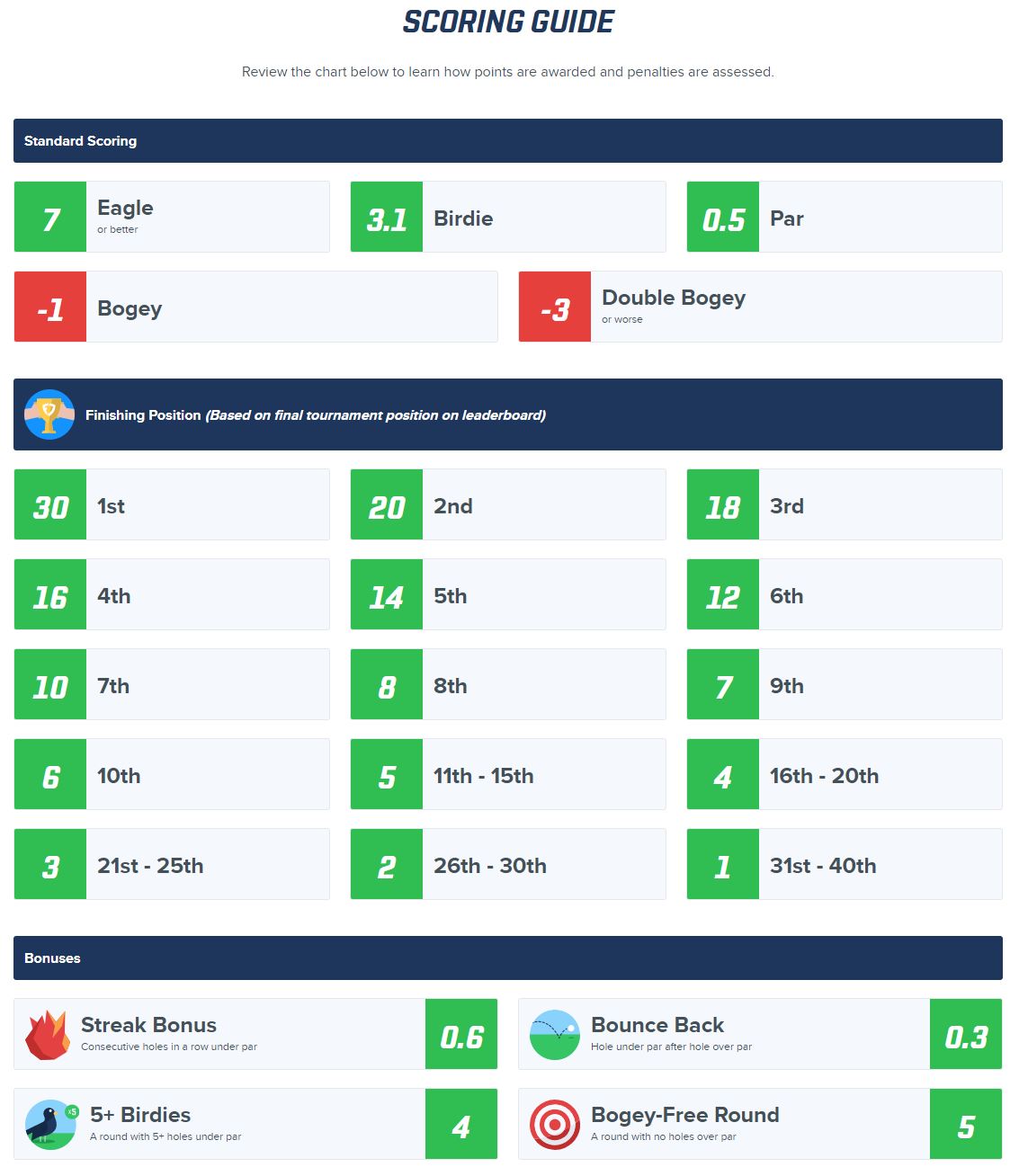
Image Source: www.golfsw.com
The Basics of Playing Fantasy Golf
Fantasy golf is like having your own stable of golf stars. You pick players, and they earn points for you based on their scores in real tournaments. If your players do well, your fantasy team wins.
Setting Up Your Fantasy Golf League
Most fantasy golf leagues need a few key things to get started. You need players, a way to keep score, and a set of guidelines for how the game runs.
Choosing a Platform for Your League
Where do you actually play? Many websites and apps host fantasy golf games. Choosing the best fantasy golf platforms depends on what kind of game you want to play.
- Dedicated Sports Sites: Many major sports websites offer free fantasy leagues. They handle the scoring and record-keeping automatically.
- Customizable Platforms: Some smaller sites allow for more control over fantasy golf league rules. This is great if you want unique scoring or league formats.
- Daily Fantasy Sports (DFS) Sites: These sites focus on single-day or single-tournament contests, which is different from season-long play.
League Structure and Team Building
The structure of your league sets the stage for the whole season. This is where the initial decisions about team building happen.
Fantasy Golf Drafting
For season-long leagues, the fantasy golf drafting process is crucial. This is usually a live event where league members take turns picking golfers for their rosters.
- Snake Draft: Teams pick in order (Team 1, then Team 2, then Team 3, and then the order reverses for the next round). This is very common.
- Auction Draft: Each manager gets a set budget. They bid on players like a real auction. This allows for more flexible team building.
You must decide how many players each team can hold. A standard roster might require 4 to 6 active golfers for the week.
Fantasy Golf League Rules Defined
Clear rules prevent arguments later. Fantasy golf league rules must cover everything from draft day to prize money.
| Rule Component | Common Setting | Importance |
|---|---|---|
| League Format | Season-Long vs. Weekly | Determines commitment level. |
| Roster Size | 6 to 10 players | Affects how many golfers you track. |
| Scoring System | Strokes Gained, Actual Score, etc. | Directly impacts point totals. |
| Transaction Limits | Weekly pickups/drops | Controls player movement during the season. |
Fathoming Fantasy Golf Scoring
The heart of fantasy golf is the scoring system. How do your chosen golfers earn points for your team? This can vary widely between leagues, but most systems reward good play.
Common Methods for Fantasy Golf Scoring
Different leagues favor different metrics. Some focus on simple final scores, while others look deeper into advanced stats.
Strokes-Based Scoring
This is the most straightforward method. Points are awarded based on a player’s finishing position in a real-life tournament.
- Winning the tournament might yield 100 points.
- Finishing 10th might yield 30 points.
- Missing the cut usually yields 0 points or even negative points.
Statistical Point Systems
Many modern leagues use deeper stats to reward consistent performance, even if a player doesn’t win. This often involves using metrics like Strokes Gained.
- Birdies/Eagles: Points for scoring under par.
- Par Saves: Points for making a crucial par putt when in trouble.
- Top 10/Top 25 Finishes: Bonus points for finishing highly, even if not winning.
- Scoring Average: Penalties or bonuses based on the average score they shoot over the week.
If your league uses strokes gained data, you need to check how those complex metrics translate into points. Some leagues assign direct point values for positive Strokes Gained in key areas (off the tee, approach, short game).
Weekly vs. Season-Long Scoring
It is vital to know if you are playing daily fantasy golf vs season-long. The approach changes entirely depending on the format.
Season-Long Leagues
In these leagues, your roster is usually locked for weeks or the entire season. You need players who are consistently good over many tournaments. Consistency beats a single hot streak.
Daily Fantasy Golf (DFS)
DFS focuses on one tournament at a time. You build a new team every week. This format rewards knowing who is hot this week and who matches the specific course setup.
Navigating Player Selection and Roster Management
Making smart choices about fantasy golf player selection is how you gain an edge. You are essentially trying to predict the future performance of professional athletes.
The Art of Fantasy Golf Strategy
A winning strategy involves balancing risk and reward. You cannot simply pick the top 5 ranked players every week, especially in leagues with salary caps or limited roster spots.
Analyzing Tournament Fields
Before picking players, study the tournament.
- Course Difficulty: Is the course long and difficult (favoring big hitters) or short and tricky (favoring great wedge play)?
- Field Strength: Is this a World Golf Championships (WGC) event with the entire elite field, or a smaller event where lower-ranked players might have a better shot?
- Recent Form: How did the golfer play in the last three events? A player who missed three cuts but is highly ranked might be a riskier pick than a mid-tier player who has two recent top-20 finishes.
Balancing Star Power and Value
In many PGA Tour fantasy leagues, you have budget constraints or limited roster slots.
- Anchors: Use one or two elite players (the “studs”) who you expect to make the cut and contend every week.
- Value Plays: Fill the rest of your roster with mid-tier players whose recent stats look good relative to their expected performance. These players can often sneak into the top 25 and provide great point returns for their perceived “cost.”
Weekly Roster Moves
In season-long play, you must manage injuries, player breaks, and slumps.
- Picking Up Free Agents: If a top player sits out a week, you might drop them temporarily and pick up a player who is playing that week. You must know the rules for dropping and adding players quickly.
- Bench Management: Some leagues allow a bench. Use the bench for high-potential players who might be struggling slightly but are expected to bounce back soon.
The Role of the League Manager
In any league, someone has to be the organizer. The fantasy golf commissioner duties are essential for a smooth and fair season.
Key Responsibilities of the Commissioner
The commissioner is the referee and the administrator. Their job is to enforce the rules and keep the game running.
- Setting Up the Platform: Ensuring all settings match the agreed-upon rules before the draft.
- Rule Enforcement: Mediating disputes regarding trades, waiver claims, or unusual player performances.
- Managing Payouts: Collecting league fees and distributing prizes fairly at the end of the season.
- Communication: Sending out reminders about upcoming deadlines, like draft times or weekly lineup lock times.
A good commissioner keeps things lighthearted but firm, ensuring everyone enjoys the competition.
How to Win Fantasy Golf (Commissioner Perspective)
While winning depends on player picks, a good commissioner ensures the playing field is level. This means transparent scoring and timely updates. If the scoring system is confusing, it hurts everyone’s ability to strategize effectively.
Deep Dive into Daily Fantasy Golf vs. Season-Long Formats
The choice between daily fantasy golf vs season-long significantly changes your weekly tasks and long-term thinking.
Season-Long: The Marathon Approach
Season-long leagues mimic traditional fantasy sports like football or baseball. They require long-term research and player commitment.
- Pros: You build a core team; you only need to focus heavily before the draft.
- Cons: One bad draft pick can hurt you for months; less weekly excitement.
You must monitor player participation closely. If a star golfer skips a less important tournament, your team takes a massive hit that week.
Daily Fantasy Golf (DFS): The Sprint Approach
DFS platforms like DraftKings or FanDuel are contests where you build a new lineup every single tournament based on a salary cap.
DFS Scoring and Lineup Building
In DFS, you typically select 6 golfers whose combined salaries do not exceed a $50,000 or $100,000 budget.
| Golfer Tier | Typical Salary Range | Expected Performance |
|---|---|---|
| Elite (e.g., Scheffler) | $10,500 – $12,000+ | Expected to contend for the win. |
| Mid-Tier Value | $7,000 – $9,500 | Expected to make the cut and maybe grab a top-20. |
| Punt/Sleepers | Under $7,000 | High risk; needed to fit elites under the cap; might miss the cut. |
The goal is maximizing your total projected points for that specific weekend. Fantasy golf scoring in DFS is usually heavily weighted toward birdies and eagles, rewarding aggressive, low-scoring rounds.
The DFS Mindset
DFS demands you look at short-term factors: travel fatigue, course history (how they played this exact course before), and recent driving distance stats if the course demands it. How to win fantasy golf in DFS means finding players who exceed their expected salary value that week.
Advanced Tactics for Season-Long Roster Management
If you are playing in PGA Tour fantasy leagues that run all year, you need advanced management techniques.
Waiver Wire and Free Agent Management
The waiver wire is crucial for plugging gaps. When a player performs exceptionally well, they might be “claimed” by other managers who have priority (often based on inverse order of the standings).
- Proactive Claiming: Don’t wait for a slump to end. If a player you rostered for a month has two bad weeks, see if another manager is willing to trade for them before their value drops further.
- Targeting Breakouts: Keep an eye on players just below the PGA Tour card cut line. If they start showing signs of life (e.g., finishing top-50 consistently), picking them up before they get expensive is a huge win.
Handling Trades and Collusion
Trades keep a season interesting. A fair trade involves both managers feeling like they improved their chances.
- Defining Fair Value: A manager trading a top-10 player for a player ranked 50th needs significant future considerations (like a draft pick next year) to make it fair.
- Preventing Collusion: The commissioner must watch for trades that only benefit two managers at the expense of the rest of the league. If a top team trades its best player to a last-place team for nothing, that is usually collusion and should be blocked.
Improving Your Player Selection Skills
To excel at fantasy golf player selection, you need to move beyond simple rankings. You need to integrate advanced analytics without getting overwhelmed.
Utilizing Strokes Gained Metrics
Strokes Gained (SG) is the modern standard in golf analytics. It measures a player’s performance against the field average for every shot they hit.
- SG: Off-the-Tee: Measures driving distance and accuracy. Important on long courses.
- SG: Approach: Measures how close approach shots land to the hole. This is often the most predictive stat for overall success.
- SG: Around-the-Green & Putting: Measures short game performance. Crucial on courses with difficult green complexes.
If a player has excellent SG stats for three straight weeks but bad final scores (due to poor putting), they are due for positive regression—meaning better luck is coming. They are a strong fantasy golf strategy target.
Course Fit Analysis
Every course rewards different skills. Successful managers tailor their fantasy golf player selection to the specific challenge of the week.
| Course Type | Key Skill Rewarded | Player Profile to Target |
|---|---|---|
| Long, Open Courses (e.g., Muirfield Village) | Driving Distance & Approach Length | Big hitters with high SG: Off-the-Tee. |
| Tight, Tree-Lined Courses (e.g., Colonial) | Accuracy & Shot Shaping | High fairway hit percentage; reliable iron play. |
| Coastal/Windy Courses | Ball Control & Mental Toughness | Proven winners in tough conditions. |
Frequently Asked Questions About Fantasy Golf
Q: Can I play fantasy golf if I don’t know much about golf?
A: Yes, you absolutely can! While deeper knowledge helps with season-long management, daily fantasy golf often relies on picking highly ranked players or following expert picks for a single week. Many platforms allow beginners to join casual, non-money leagues to learn the fantasy golf scoring systems first.
Q: What is the difference between a fantasy golf draft and DFS?
A: A fantasy golf draft is usually for a season-long league where you keep the same players all year. DFS (Daily Fantasy Golf) requires you to select a completely new roster for every single tournament, usually based on a salary cap system.
Q: How often do I need to set my lineup in a season-long league?
A: Typically, you set your lineup once per week. The lineup locks just before the first tee time on Thursday morning of the tournament. You must check the fantasy golf league rules for the exact deadline.
Q: What makes a good fantasy golf commissioner duties checklist?
A: A good checklist ensures transparency: confirm all league fees are collected, ensure the scoring system is correctly loaded, and establish clear trade review periods. Good communication about rule changes is also key.
Q: Are there any advantages to playing both daily fantasy golf vs season-long?
A: Yes. DFS helps you learn which players are currently playing well, giving you valuable information for making smarter trades or waiver claims in your season-long league. DFS offers immediate gratification, while season-long builds camaraderie.
Q: What is the most important stat for how to win fantasy golf?
A: While it depends on the course, Strokes Gained: Approach is often cited by analysts as the most important overall statistic, as it shows who is hitting the ball closest to the hole consistently.