
Can I host a golf tournament fundraiser? Yes, absolutely! Hosting a golf tournament fundraiser is a fantastic way to raise money for your cause while providing a fun, engaging event for participants.
This guide will walk you through every step of golf tournament planning. We will cover setting goals, managing your golf tournament budget, securing sponsors, handling golf outing logistics, and making your event a big success. Let’s get started on running a successful golf fundraiser!
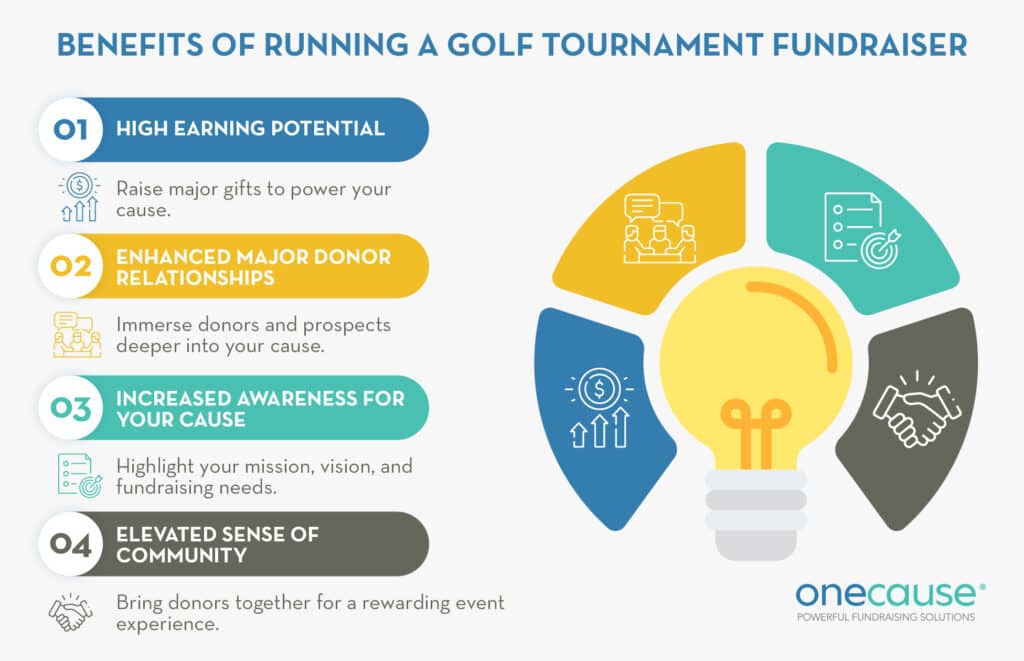
Image Source: www.onecause.com
Setting the Stage: The Basics of Your Event
Before you book a tee time, you need a solid foundation. Clear goals make all future decisions easier.
Defining Your Purpose and Goals
What are you raising money for? Be specific. People donate more when they know exactly where their money is going.
- Mission Clarity: State clearly what the funds will support (e.g., buying new books for the library, funding one scholarship).
- Financial Targets: Set a realistic fundraising goal. How much money do you need to make after expenses? This number drives pricing and sponsorship levels.
- Attendance Goals: How many golfers do you want to participate? This affects venue choice and scheduling.
Picking the Right Time and Place
Location and timing are crucial for success.
Choosing Your Golf Course
Selecting the venue involves more than just finding a pretty course.
- Budget Alignment: Does the course fit your golf tournament budget? Getting quotes early is essential.
- Capacity: Can the course handle the number of players you expect? Ask about available tee times and outing packages.
- Amenities: Look at what they offer beyond the course. Do they have a good banquet hall for awards dinner? Is there a driving range and putting green for warm-ups?
- Location Ease: Pick a place that is easy for most attendees to drive to.
Selecting the Date
Avoid major holidays or other large community events. Weekdays are often cheaper but harder for working professionals to attend. Saturdays work best for many recreational golfers. Give yourself plenty of lead time—six to nine months is ideal for a large event.
Building Your Team and Budget
You cannot do this alone. A strong committee and a tight budget are vital for smooth golf tournament planning.
Assembling Your Core Committee
Assign clear roles to your volunteers. Good teamwork makes the event work well.
| Role | Key Responsibilities |
|---|---|
| Chairperson | Oversees all parts; keeps the team focused. |
| Sponsorship Coordinator | Focuses solely on securing golf tournament sponsors. |
| Logistics Lead | Handles course details, food, and registration flow. |
| Marketing/PR Lead | Promotes the event and manages golf fundraiser marketing. |
| Prizes & Gifts Lead | Manages securing golf tournament prizes and giveaways. |
Creating a Realistic Golf Tournament Budget
Your budget is your roadmap. List every expected expense and every expected income source. Be conservative with income estimates and generous with expense estimates.
Expected Expenses
- Course Fees (Greens fees, cart rentals)
- Food and Beverage (Breakfast, lunch, dinner, snacks)
- Prizes and Awards
- Marketing Materials (Fliers, banners, signage)
- Permits and Insurance (Check with the course)
- Swag Bags/Welcome Gifts
- Administrative Costs (Printing, thank-you notes)
Projected Income Streams
- Golf Tournament Registration Fees (The main source)
- Sponsorship Dollars (Tiered levels)
- Raffles and Games (Mulligan sales, 50/50 draw)
- On-Course Contests (Closest to the Pin, Longest Drive)
Review your budget monthly. Adjust spending if initial golf tournament registration numbers are low.
Securing Sponsorships: The Financial Backbone
Sponsorships often cover most, if not all, of your event costs before a single golfer registers. Focus heavily on securing golf tournament sponsors.
Developing Sponsorship Packages
Create clear, valuable sponsorship tiers. Businesses want to see a good return on their investment (ROI). They want visibility.
Tier Examples:
- Title Sponsor (e.g., $5,000): Top billing on all materials, speaking opportunity at dinner, two free foursomes, logo on all carts.
- Cart Sponsor (e.g., $2,500): Logo prominently placed on every golf cart.
- Lunch Sponsor (e.g., $1,500): Signage at the lunch area, mention in the program.
- Hole Sponsor (e.g., $300): Signage at one tee box.
Approaching Potential Sponsors
Start local. Approach businesses that benefit from local exposure or that align with your charity’s mission.
- Personalize the Ask: Do not send generic emails. Explain why their specific business should support your specific cause.
- Provide a Media Kit: This kit should detail your organization’s mission, the event date, expected attendance, and the sponsorship tiers chart.
- Follow Up: Most sponsorships require three to five follow-up contacts. Be polite but persistent.
Mastering Golf Outing Logistics
The details of the day make or break the participant experience. Smooth golf outing logistics are essential.
Managing Golf Tournament Registration and Sign-Up
Make signing up easy. Use online platforms for payment processing.
- Early Bird Pricing: Encourage early sign-ups with a slight discount.
- Foursome Packages: Offer discounts for teams who register together.
- Tracking: Maintain a clear spreadsheet tracking who paid, what they paid for, and any dietary needs.
Pre-Event Day Management
A week before the event, confirm everything.
- Course Walk-Through: Meet the golf pro to review the flow of the day, especially registration and awards setup.
- Volunteer Briefing: Ensure every volunteer knows their exact role, timing, and who to report issues to.
- Materials Prep: Stuff swag bags. Print scorecards, rule sheets, and sponsor signage.
The Day of Play: Flow and Pace
Pace of play is the biggest complaint at charity outings. Keep things moving.
- Shotgun Start: This is best for large groups. Everyone starts at the same time on different holes. It ensures everyone finishes near the same time for dinner.
- Rules Review: Have the tournament director quickly review the rules (e.g., mulligan rules, cart paths) before golfers leave the first tee.
Enhancing the Experience: Ideas and Prizes
To justify higher registration fees and attract sponsors, you need engaging extras. Think about strong charity golf event ideas to boost engagement.
Engaging On-Course Games
These activities are excellent for generating extra, immediate revenue.
- Mulligan Sales: Sell “do-overs” before the round starts (limit how many one team can buy).
- Raffles: Sell tickets for high-value prizes during registration or lunch.
- “Name the Prize” Games: If a local car dealer sponsors, let golfers pay $20 for a chance to win a new car on a specific Par 3 hole (requires insurance, so be careful).
Fantastic Golf Tournament Prizes and Giveaways
The quality of your golf tournament prizes and giveaways reflects on the professionalism of your event.
For Contest Winners
Focus on quality experiences over cheap trinkets for the winners.
- Gift certificates to nice local restaurants.
- Tickets to professional sporting events.
- Premium golf gear (GPS watches, rangefinders).
For All Participants (Swag Bags)
These are tangible reminders of your charity.
- Good quality golf balls (branded with your logo or sponsor logos).
- A branded golf towel or glove.
- Snack items (granola bars, water bottles).
- Sponsor coupons or samples.
Marketing Your Golf Fundraiser
Even the best-planned event fails without promotion. Effective golf fundraiser marketing is how you fill those tee spots.
Building Your Marketing Timeline
Start marketing 10–12 weeks out.
| Timeline | Marketing Focus |
|---|---|
| 12 Weeks Out | Announce date/location. Open sponsorship sales. Create event landing page. |
| 8 Weeks Out | Begin promoting early bird registration. Target past attendees. |
| 4 Weeks Out | Heavy social media push. Send reminder emails to local businesses. |
| 1 Week Out | Final reminders. Post logistics (parking, schedule). |
Utilizing Digital and Traditional Channels
- Website/Landing Page: This is your central hub. It must clearly state the cause, include registration links, and showcase sponsor logos.
- Email Marketing: Segment your lists. Send different messages to past golfers, potential sponsors, and general supporters.
- Social Media: Post engaging content. Feature photos from past events. Do “Sponsor Spotlights” to thank those who sign up early.
- Local Media Outreach: Send a press release to local newspapers and community calendars announcing the event and its charitable goal.
Post-Event Wrap-Up and Follow-Through
The event isn’t over until you have sent thank-you notes and reconciled the books. This step ensures future success.
Immediate Post-Event Actions
- Tally Results: Determine the final gross income, total expenses, and net profit immediately.
- Awards Ceremony: Keep this brief and high-energy. Announce the total amount raised before awarding the winning team.
- Thank Volunteers: Recognize your team right away.
Steward Relationships for the Future
This is critical for long-term viability of your golf tournament planning.
- Sponsor Reports: Within 30 days, send every sponsor a report. Include photos of their signage, mention of their support in your recap email, and the total amount raised. Show them the value they received.
- Donor Receipts: Ensure all donors receive prompt tax receipts for their contributions (the portion above the fair market value of the golf/meal).
- Feedback Survey: Send a short survey to participants asking what they enjoyed and what could be improved for next year. Use this data for your next fundraising golf tournament checklist.
FAQ Section
What is a shotgun start in golf?
A shotgun start means all groups begin playing at the same scheduled time, but they start on different holes around the course instead of waiting for the first group to finish. This is best for charity events because everyone finishes at roughly the same time for the dinner and awards ceremony.
How much should I charge for golf tournament registration?
This depends entirely on your venue’s cost and the value you offer in the registration package (food, swag, golf). A good rule of thumb is to cover the cost of the golfer (greens fees + meal) plus a set donation amount (e.g., $50–$100 above cost per player) to meet your fundraising goal. Always compare your price to similar local golf outing logistics costs.
How can I increase revenue besides registration fees?
Focus on maximizing revenue during the round. Aggressively promote mulligan sales, prize raffles, and on-course challenges like “Beat the Pro” (if you hire a local pro to staff a hole). These small purchases add up quickly and greatly help your golf tournament budget.
What makes a good golf tournament prize?
A good prize is something desirable that golfers might not buy for themselves, or an experience. High-value items like premium technology (rangefinders) or experiences (golf resort stays) attract higher-level sponsors because they can offer them as part of a package. Always ensure your golf tournament prizes and giveaways feel worthwhile.