
The best way to pack a golf bag is to assign a specific purpose to each pocket, keeping frequently used items accessible and less-used items secure. This guide will show you how to create a system that saves time on the course and protects your gear.
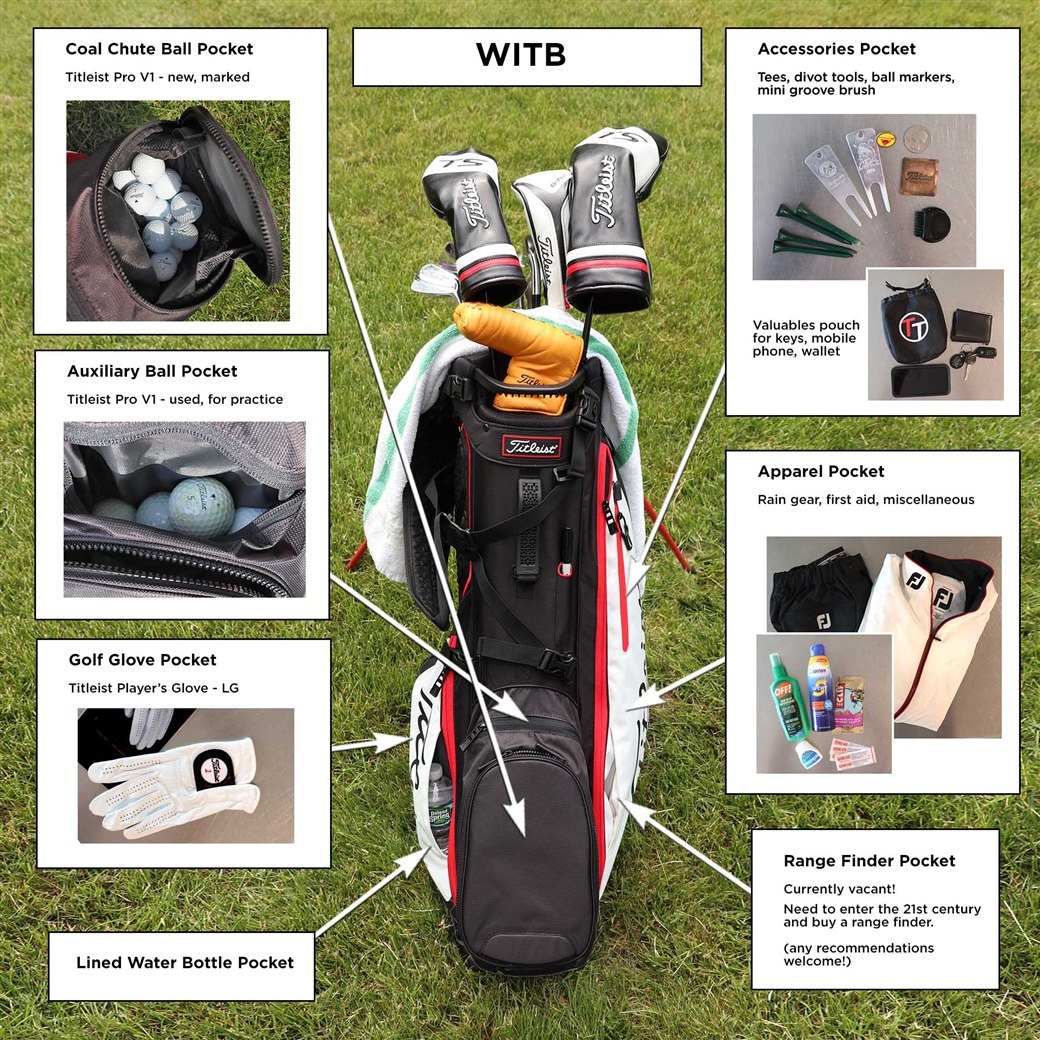
Image Source: www.titleist.com
Why Pocket Organization Matters for Golfers
A messy golf bag slows you down. When you cannot find a ball or a glove quickly, you lose focus. Good golf bag organization tips help you stay in rhythm. A well-organized bag means less searching and more playing. It also protects your expensive clubs and gear from damage. Think of your bag as your portable golf toolbox.
The Core Benefits of a Tidy Bag
Sorting out your pockets brings many advantages. It makes the round smoother. It keeps items safe. It also helps with golf bag maintenance since you see dust or wear faster.
- Speed: Find what you need fast. No more holding up the group.
- Protection: Separate sharp tools (like divot repair tools) from soft items (like gloves).
- Clarity: Know exactly what you have. This stops you from bringing too much stuff.
- Ease of Use: A clean system makes packing up after a round simple.
Deciphering Your Golf Bag Layout Strategy
Not all golf bags are the same. Cart bags, stand bags, and tour bags have different pocket setups. To start organizing, you must first look closely at your bag. Identify what each pocket is designed for. This forms your golf bag layout strategy.
Identifying Pocket Types
Most modern golf bags have several types of pockets. Each one serves a distinct role in efficient golf bag loading.
| Pocket Type | Common Location | Primary Use |
|---|---|---|
| Cooler Pocket | Large side pocket, often insulated | Drinks, snacks |
| Ball Pocket | Front center pocket | Golf balls, tees |
| Apparel Pocket | Large side pocket, often mesh lined | Rain gear, extra layers |
| Valuables Pocket | Small, often felt-lined pocket | Phone, keys, wallet |
| Accessory Pockets | Medium-sized side or front pockets | Rangefinder, scorecards, towels |
Maximizing Golf Bag Space
Every inch counts, especially if you carry your bag. Maximizing golf bag space means using soft items to fill gaps around the hard items. Don’t overstuff pockets. Overstuffing can strain zippers and make pockets hard to close. Keep heavy items low and centered if possible to improve bag balance.
Step-by-Step Guide to Organizing Golf Bag Pockets
This section offers concrete steps for setting up your pockets correctly. Follow this guide for superior golf gear storage in bag.
Phase 1: The Pre-Sort and Clean Out
Before organizing, you must empty everything. You might find old scorecards, dried-up Sharpies, and cracked ball markers.
- Empty Completely: Take every single item out of your bag. Lay it on a towel or mat.
- Toss or Donate: Get rid of trash. Throw away broken tees or worn-out gloves. If you have gear you never use, give it to a new golfer.
- Group Like Items: Make piles: Balls, Tees/Markers, Gloves, Apparel, Tech (GPS/Rangefinder), and Personal Items.
Phase 2: Assigning Zones for Core Items
The goal is to place items where they are easiest to reach during a round.
The Ball Pocket (The Essential Hub)
This is usually the most visible pocket on the front. It must hold your immediate needs. This pocket is key for quick retrieval.
- Golf Balls: Keep at least six balls here. Use sleeve dividers if your pocket allows.
- Extra Tees: Keep a small handful of tees here. Don’t fill the whole pocket with tees.
- Ball Markers: Keep two or three in this area.
The Valuables Pocket (The Secure Zone)
This pocket is often smaller and near the top handle. It should be fleece or felt-lined to protect delicate items.
- Phone and Wallet: Keep them here securely zipped away from moisture.
- Keys: If you must bring them, place them in a small, zippered pouch inside this pocket.
- Watch: If you take it off to play, this is the spot.
The Accessory Pockets (The Tools of the Trade)
These pockets are perfect for items used between shots or on the green. This is where many organizing golf accessories strategies focus.
- Scorecard and Pencil: Keep these flat. Some bags have a specific sleeve for the scorecard.
- Divot Tool and Ball Marker Set: Keep these together. Some golfers attach them to a zipper pull for even faster access.
- Glove: If you carry a spare glove, put it here if the main ball pocket is too full.
Phase 3: Handling Apparel and Larger Items
Large pockets are usually on the side of the bag. These are often used for items you won’t need on every shot.
The Cooler/Beverage Pocket
This pocket is often insulated. Do not store electronics or non-food items here due to potential condensation.
- Water Bottles: Keep them upright. Use one side for water, the other for sports drinks.
- Snacks: Energy bars or fruit. Ensure they are sealed well.
The Apparel Pocket
This is typically the largest pocket on the side. It holds things to handle weather changes.
- Rain Gear: A lightweight rain jacket or pull-over. Fold it neatly.
- Extra Layers: A lightweight windbreaker or sweater.
- Small Towel: A dedicated towel just for drying grips or cleaning rain off your bag.
Phase 4: Handling Utility and Maintenance Gear
Some gear is necessary but only used occasionally. These pockets should be on the back or bottom of the bag.
- Club Brush/Grooming Kit: Essential for golf bag maintenance. Keep brushes separate from gloves.
- Extra Rangefinder Batteries: If your device uses AAs or other specific batteries.
- Sunscreen/Lip Balm: Keep these in a small plastic bag to prevent leaks.
Advanced Tips for Golf Bag Organization Tips
Once you have the basic layout, these advanced tips will refine your system.
Utilizing Pouches and Dividers
Small, zippered mesh pouches are game-changers. They stop small items from mixing together.
- Tee Pouch: All your tees (woods, irons, specialty tees) go into one labeled pouch.
- Grip Maintenance Kit: A small cloth and maybe a little grip cleaner.
- Repair Kit: Duct tape (a small roll for quick fixes) and safety pins.
Customizing for Different Courses
Your organization might change based on where you play.
- Hot Weather Rounds: You might need more hydration and fewer layers. Dedicate more space to bottles in the cooler pocket.
- Competitive Rounds: You might want extra scorecards or yardage books. Keep these easily reachable in an accessory pocket.
The Importance of Weight Distribution
For stand bags, even weight distribution is crucial for carrying comfort. Heavy items (like full water bottles) should be centered between the two main sides. If you always carry heavy things on the left, your bag will constantly pull to that side. This ties into good golf bag layout strategy.
A Detailed Look at Essential Pocket Contents: What to Keep in Golf Bag Pockets
Knowing what to keep in golf bag pockets prevents you from leaving essentials at home or overloading the bag unnecessarily.
The “Must-Haves” for Every Round
These items should always be in their assigned spot.
- Golf Balls: At least 10 total (6 in the front pocket, 4 tucked away).
- Tees: A mix of standard and fairway tees (about 15-20 total).
- Ball Markers: At least two, ideally one magnetic and one standard.
- Divot Repair Tool: Keep it clipped to an external loop or secured inside a pocket.
- Gloves: One on your hand, one spare glove in a dry pocket.
- Rangefinder/GPS: In its dedicated, padded pocket.
- Yardage Book/Scorecard: Ready for immediate use.
The “Nice-to-Haves” for Comfort and Safety
These items enhance your experience but aren’t critical for every swing.
- Wipes/Cleaning Cloth: For cleaning rangefinders or club faces.
- Small First Aid: Band-aids for blisters.
- Insect Repellent: Small travel size, especially in summer.
- Hand Sanitizer: Crucial when sharing carts or touching communal items.
- Extra Sunglasses: If you switch between lenses during the round.
What Should Stay Home (or in the Car)
Maximizing golf bag space often means leaving certain things behind.
- Extra Shoes: Unless you expect a complete washout, one pair is usually enough.
- Excessive Amounts of Food: Pack for one round, not a marathon.
- Heavy Rain Suits: If the forecast is clear, leave the heavy suit in the car.
- Multiple Full Water Bottles: Carry one full and one empty to refill.
Maintaining Organization: Routine and Habit
Organization is not a one-time event; it’s a habit. Good golf bag organization tips require regular attention.
Post-Round Routine
Make cleaning your bag part of your routine when you get home. This is key for good golf bag maintenance.
- Unload Perishables: Remove wet towels, half-eaten snacks, and empty drink bottles from the cooler pocket.
- Restock Essentials: Refill the ball pocket with new balls and tees.
- Tidy Up: Put the rangefinder back in its sleeve. Zip up all pockets.
Quarterly Deep Clean
Every few months, give your bag a thorough check-up.
- Check Zippers: Inspect all zippers for teeth alignment and smooth function. A little zipper wax can work wonders.
- Liner Inspection: Look inside the felt-lined pockets for sand or debris.
- Strap Check: Ensure all buckles and adjustment points on carry straps are secure.
Efficient Golf Bag Loading for Cart Users vs. Carry Users
The approach to efficient golf bag loading shifts depending on how you transport your bag.
For Cart Players
Cart players have more flexibility. Weight is less of an issue. Focus on accessibility from a seated position.
- Top Pockets: Items needed while standing on the tee box (e.g., driver, woods).
- Side Pockets: Items needed while the cart is stopped (e.g., snacks, rain gear). The cooler pocket is vital here.
- Bottom Pockets: Irons and wedges, as these are often easier to pull out when the bag is secured on the back of the cart.
For Carry Players
For those walking, weight and balance are paramount.
- Clubs: Distribute clubs evenly. Use a bag with full-length dividers if possible to prevent club sticking.
- Essentials in Top Pockets: Phone, keys, and one glove should be in pockets accessible without taking the bag off completely.
- Weight Management: Carry only what you need. For 18 holes, 12 clubs, water, balls, and a glove should suffice. Avoid loading the apparel pocket unless rain is certain.
Table: Organizing Golf Accessories by Frequency of Use
This table helps prioritize where organizing golf accessories makes the most sense for quick access.
| Frequency of Use | Item Examples | Ideal Pocket Location |
|---|---|---|
| Every Shot/Hole | Balls, Tees, Scorecard, Pencil, Glove | Front/Top Pockets |
| Every Few Holes | Divot Tool, Ball Marker, Rangefinder | Easily Accessible Side Pocket |
| Between Holes/If Needed | Water, Snacks, Extra Ball | Cooler/Larger Side Pocket |
| On Weather Change | Rain Jacket, Sweater | Large Apparel Pocket |
| End of Round/Emergency | Wallet, Keys, First Aid | Secure Valuables Pocket/Back Pocket |
Comprehending Pocket Materials and Care
The materials used for pockets affect how you store certain items.
Dealing with Moisture
Moisture is the enemy of golf gear. Wet gloves ruin grips, and damp scorecards are useless.
- Vented Pockets: Some bags have mesh or vented pockets designed to dry items slightly. Use these for slightly damp towels, but never for electronics.
- Waterproof Valuables Pouch: Always use a dedicated waterproof pouch or Ziploc bag inside your valuables pocket for your phone, even if the pocket itself seems water-resistant.
Zipper Care
Zippers fail when they are overloaded or dirty. Follow these quick maintenance steps for long life.
- Keep Them Clear: Make sure fabric or tees are not caught in the zipper teeth before pulling.
- Lubrication: If a zipper sticks, rub a bar of soap or a zipper lubricant stick along the teeth. This vastly improves the ease of opening and closing.
Frequently Asked Questions (FAQ)
How many golf balls should I keep in my bag?
It is recommended to carry between 8 and 12 golf balls. Place 6 to 8 balls in your easily accessible front ball pocket. Keep the remaining 2 to 4 balls in a secure side pocket as backup. This adheres to good golf gear storage in bag practices without creating excess weight.
Should I keep my rangefinder in the same pocket as my keys?
No. Ideally, your rangefinder should go into a dedicated, padded accessory pocket. Keys should be in the secured valuables pocket, perhaps in a small pouch. Mixing them can scratch the rangefinder lens or screen. Prioritize protection for your tech.
What is the purpose of the cooler pocket in a golf bag?
The cooler pocket is an insulated compartment designed to keep drinks cold (or snacks fresh) throughout your round. It prevents condensation from wetting other contents of your bag, such as gloves or electronics.
How do I stop my clubs from rattling when I walk?
Rattling often happens when there is space between the club heads and the bag. Use a bag with full-length dividers, which keeps shafts separate. If you have a carry bag, ensure the bag isn’t overly stuffed with loose items that create empty space for the clubs to shift. Proper golf bag layout strategy includes firm, stable club placement.
Can I carry more than 14 clubs?
No, the official rules of golf state that a player must not start a round with more than 14 clubs. If you start with more, you will face penalties. Organizing your bag around exactly 14 clubs is essential for compliance and maximizing golf bag space.