
Yes, absolutely, you can golf by yourself. Many golfers enjoy the freedom and focus that comes with playing a round alone, and golf courses readily accommodate the unaccompanied golf experience. Playing golf alone is a fantastic way to improve your game, enjoy nature, and truly disconnect from the noise of daily life. This guide will walk you through everything you need to know about how to play golf solo, from booking tee times to maximizing your enjoyment.
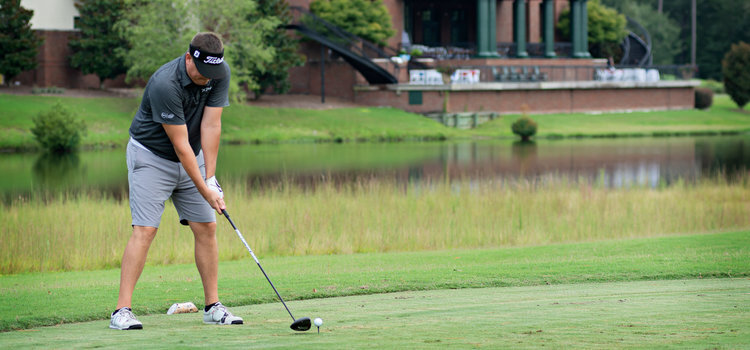
Image Source: riverlanding.com
Embracing the Solitude: Why Golf Alone?
Golf is often seen as a social sport, but there are significant advantages to enjoying golf by yourself. The freedom solo play offers is unparalleled. You set the pace. You choose the clubs. You decide how long to spend admiring a great shot. This personal space turns a typical round into a focused session of self-improvement or pure relaxation.
The Many Benefits of Solo Golf
Playing alone offers specific advantages that group play often restricts. It is an excellent opportunity for deliberate practice and mental focus.
- Pace Control: You never have to rush another player, nor do you wait for slow groups. You play when you are ready.
- Deep Focus: Less chatting means more concentration on your swing and course management. This is great for solo golf practice.
- Course Study: You have time to examine the greens, read the slopes, and truly learn the layout without pressure.
- Stress Reduction: It’s a moving meditation. The quiet time helps clear the mind. Enjoying a quiet round of golf is therapeutic.
- Skill Sharpening: You get more swings in the same amount of time compared to waiting for others.
Getting Out There: Tee Times for One
The main hurdle for new solo golfers is often booking a time. Many people worry that courses won’t accept single players. This is rarely the case, especially during off-peak hours.
Booking Strategies for the Single Golfer
Golf courses love filling empty spots. A single player filling a slot that would otherwise sit empty between twosomes or threesomes is a win for the club.
When to Book
- Twilight/Late Afternoon: These times often have fewer regular groups booked, making singles welcome.
- Mid-Day Mid-Week: Tuesdays through Thursdays are often less crowded than weekends.
- Ask Directly: When calling, simply ask, “I’m looking to play solo this afternoon, do you have a spot for a single?”
The Single Golfer Spot
Some courses intentionally reserve a few tee times specifically for single players. These are often called “twilight singles” or similar names. Always inquire about these options.
Navigating the Course as a Single Player
Once you have your tee time, you need to know how to fit in without disrupting the flow of play.
Joining Other Groups
If the starter pairs you with other golfers (often they will), be polite and flexible.
- Introduce Yourself: A simple, “Hi, I’m [Your Name]. Happy to play along,” works well.
- Respect Their Pace: If they are playing a serious game, keep your pace up. If they are chatting, feel free to join in, but don’t interrupt a critical shot.
- Know When to Step Back: If the group is playing a formal match and you feel like an intrusion, you can politely ask the starter if they can slot you in later, or simply thank them and play your round behind them.
Mastering the Art of Playing Golf Alone Tips
When you are by yourself, you become your own starter, timer, and coach. Success relies on discipline and smart playing a practice round alone.
Setting Your Own Pace
The beauty of solo golf is setting a pace that works for you.
- Fast Play: If you are focusing on solo golf practice, you might move quickly between shots. Walk briskly. If you hit a bad shot, drop another ball (for practice purposes only, not official scores) and hit again right away.
- Slow Play (The Meditative Round): If you are enjoying a quiet round of golf, take your time. Stroll down the fairway. Spend five minutes reading the green. No one is watching the clock except you.
Practical Playing Golf Alone Tips
Keep these things in mind to make your solo round efficient and fun.
| Tip Area | Action for the Solo Golfer | Why It Matters |
|---|---|---|
| Ball Management | Carry a few extra balls. | Less time spent searching for lost balls; more time hitting. |
| Yardage | Always use a rangefinder or GPS watch. | No partner to ask for distance confirmation. |
| Warm-up | Use the practice range before teeing off. | You won’t have the luxury of casually warming up between holes. |
| Playing Multiple Balls | If practicing, play two balls (one official, one practice). | Great for testing different clubs or swing thoughts without slowing others down. |
Walking the Course Alone
For many, the best way to enjoy the unaccompanied golf experience is by walking. When you walk alone, you notice things you miss when riding.
- Fitness Boost: You get a great workout without the distraction of conversation.
- Course Observation: You see the subtle slopes and breaks when walking toward the ball, rather than driving over them.
- Equipment Choice: Walking encourages you to use a lighter carry bag, reducing fatigue over 18 holes.
Etiquette: Single Golfer Etiquette Matters
Even when playing alone, you are still sharing the course with others. Good etiquette ensures that future solo golfers are welcomed back. Single golfer etiquette is crucial for maintaining good standing with the pro shop and other players.
Pace of Play
This is the most important rule for any golfer, but especially solos. If you notice a group behind you, make room for them.
- Be Ready: Have your next club in your hand before you reach your ball.
- Shorten Your Practice: Limit yourself to one or two practice swings.
- Don’t Linger: When playing your approach shots, walk to the green, but wait for others to putt out before you walk all the way back to your bag to select your putter.
Behavior and Noise Level
Since you are enjoying golf by yourself, you might be tempted to talk to yourself loudly or react dramatically to bad shots. Remember that others are nearby.
- Keep frustrations down. A loud yell after a shank travels much further when no one is talking nearby.
- If you are playing near another group, keep phone calls (if necessary) brief and quiet.
Repairing the Course
This applies to everyone, but when you are alone, there is no one else to pick up your slack.
- Repair divots with seed mix.
- Fix your pitch marks on the greens promptly.
- Rake bunkers carefully, even if you were the only one in it.
Advanced Solo Golf Practice Techniques
When you play alone, every shot becomes a potential lesson. This environment is perfect for rigorous solo golf practice.
Deliberate Practice on the Course
Use your rounds to isolate and fix specific issues.
Target Practice
Instead of just trying to hit the fairway, pick a specific tree, a yardage marker, or even a single blade of grass as your target. This forces precision over distance.
The “Course Caddie” Method
Pretend you have an expensive caddie who charges you by the shot.
- Before Every Shot: Announce your intended landing spot (e.g., “Aiming 10 yards left of the bunker, landing soft”).
- After Every Shot: Note where the ball actually landed relative to your plan. This builds accountability.
Club Sequencing Drills
If you are working on smooth transitions, play three holes using only your irons (3-iron through pitching wedge). Then play the next three holes using only woods and driver. This forces you to use different swing speeds and commitment levels for each club.
Focusing on Course Management
A solo round lets you experiment with risk management.
- The Safe Route: Play the entire front nine playing safe—aiming for the fat part of the green, never aiming over water hazards.
- The Aggressive Route: Play the back nine playing aggressively—aiming at tucked pins and taking on hazards.
Comparing your scores after these two structured approaches gives you invaluable data on which strategy suits you best for future rounds.
Enjoying the Mental Game Alone
The mental aspect of golf is often tougher when you have no one to commiserate with after a terrible hole. Enjoying golf by yourself means becoming your own best mental coach.
Self-Talk and Positive Reinforcement
When you play with others, they often provide encouragement. Alone, you must generate your own.
- Acknowledge Good Shots: If you hit a perfect drive, tell yourself, “That’s it! That’s the feeling.” Don’t just move on. Savor the positive feedback loop.
- Quick Reset on Bad Shots: After a triple bogey, consciously decide to wipe the slate clean before the next tee box. A quick mantra, like “Next shot only,” helps.
Using Technology for Feedback
Your phone or GPS device can be your silent coach.
- Video Recording: Set your phone up on a tripod (or balance it on your bag) at the driving range, but also try doing this for one or two drives per round. Seeing your swing in real-time, without the pressure of an audience, is powerful.
- Stat Tracking: Use an app to track fairways hit, greens in regulation, and putts. When playing a practice round alone, these objective numbers are far more useful than vague feelings about how the round went.
Equipment Considerations for the Solo Player
When you aren’t sharing the load, your equipment setup matters more. You are both the player and the caddie.
Bag Weight and Organization
If you plan on walking the course alone often, weight reduction is key.
- Keep It Lean: Only carry the essentials. Do you really need five wedges? Maybe just PW, GW, and SW.
- Organization: Use a pencil and scorecard holder accessible from the top of the bag. Keep your rangefinder clipped on the outside. Every second saved searching for gear helps maintain pace.
Trolleys vs. Carts
- Push/Pull Carts: Excellent for solo walking. They allow you to cover ground faster than walking empty-handed while still getting the exercise benefit.
- Riding Alone: If you take a cart alone, be mindful of cart path rules, as you might be the only vehicle on the course, potentially causing minor traffic jams if you linger too long.
Addressing Common Concerns About Solo Golf
Many people hesitate to try how to play golf solo due to perceived awkwardness or difficulty. Here are direct answers to those hesitations.
Is It Awkward to Play Golf Solo?
No. Golfers are generally respectful. If you have a tee time booked for one, the course expects you. If you are paired with others, they are usually happy to have the company, or they are focused on their own game. Enjoying golf by yourself is becoming more common and accepted every year.
Can I Play 18 Holes Alone?
Yes, though it might take longer depending on the course pace. If you are playing a practice round alone and want maximum shots, consider playing 27 holes (a full round plus a 9-hole loop) if time allows, as you control the timing entirely.
How Long Does a Solo Round Take?
This varies greatly based on your speed and course traffic:
| Scenario | Estimated Time (18 Holes) | Notes |
|---|---|---|
| Fast Pace / Practice Round | 2 hours 45 mins – 3 hours 15 mins | Minimal searching, quick walks, few delays. |
| Average Pace / Enjoying Quiet Round | 3 hours 30 mins – 4 hours | Time for reading greens and enjoying the scenery. |
| Slow Pace / Experimental Play | 4 hours 30 mins + | If you are testing many shots or taking extensive breaks. |
Frequently Asked Questions About Solo Golf
Q1: Do golf courses charge more for a single player?
A: Sometimes, but usually not. Courses often charge a standard rate per person. However, if you book a time that would normally require two people (a “twosome slot”) and you are the only one, they might charge you the price of two if they cannot fill the other spot. Always check the policy when booking.
Q2: How do I keep my mental game strong without a partner to distract me?
A: Focus on structure. Create small, measurable goals for each hole (e.g., “I will land my approach shot within 15 feet of the pin”). When you only have yourself to hold accountable, structure prevents drifting thoughts. Use your solo golf practice time to test new swing thoughts rather than just hitting aimlessly.
Q3: Is it easier to get a last-minute tee time as a single golfer?
A: Generally, yes. Courses hate empty single slots, especially right before closing time. Calling an hour or two before twilight often yields a spot if you are willing to play quickly.
Q4: What is the etiquette for passing slow groups when I am playing alone?
A: If you are playing much faster than the group ahead, wait until you are on the green with them, complete your putt, and then acknowledge them as you walk quickly to the next tee box while they are still teeing off. A simple wave or nod is sufficient acknowledgement before you move on. This respects their experience while ensuring you maintain good pace.
Q5: Can I use the solo round primarily for practice?
A: Yes, this is the core of enjoying golf by yourself. If you are playing a practice round alone, feel free to replay short par-3s if the course is empty, or hit multiple approach shots into a green after you have already holed out your first ball. Just be certain you are not slowing down any group behind you if you choose to do this.