
Can I charge my golf cart overnight? Yes, you can generally charge your golf cart overnight, but only if your charger has an automatic shut-off feature, which is standard on modern, quality chargers. Always follow the golf cart charging instructions provided by your manufacturer to ensure safety and battery health.
This guide will show you the simple steps for charging your electric golf cart correctly. Proper charging keeps your batteries healthy for a long time. We will cover everything from connecting the charger to golf cart battery charging tips that make a big difference.
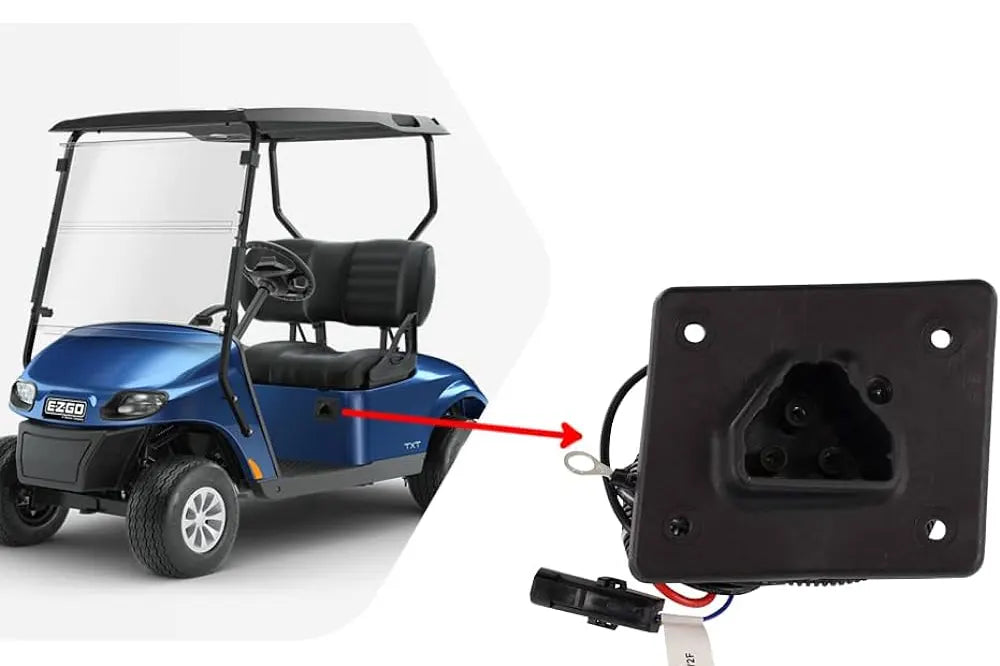
Image Source: www.vatrerpower.com
Getting Ready to Charge Your Electric Golf Cart
Before you plug in your cart, a few quick checks keep everything safe and working right. Think of this as preparing for a smooth charging session.
Location Matters for Charging
Where you charge your cart is very important. Batteries release gases while charging. These gases can be harmful if trapped.
- Ventilation is key: Always charge your cart in a well-aired spot. A garage with an open door or a dedicated charging station works best.
- Keep it dry: Do not charge your cart if the area is wet or damp. Water and electricity do not mix well.
- Stay away from fire: Keep the charging area clear of anything that can burn, like paper or gasoline cans.
Checking the Battery Water Levels (If Applicable)
If your golf cart uses traditional flooded lead-acid batteries, checking the water is a crucial step. This is vital for maintaining golf cart batteries.
When to Check Water
Check the water levels before you start charging. Never check or add water when the batteries are hot, right after charging.
How to Add Water Safely
- Turn off the cart: Make sure the key is off and the parking brake is set.
- Remove the caps: Carefully take off the caps on top of each battery cell.
- Use the right liquid: Only use distilled water. Tap water has minerals that hurt the battery.
- Fill level: Add water until the plates inside are just covered. Do not overfill before charging. The water level will rise during charging. Top off after charging if needed.
Connecting the Charger: Step-by-Step
Connecting the charger correctly is the first main action in the electric golf cart charging guide. A faulty connection can damage the charger or the cart’s electrical system.
Step 1: Park and Secure the Cart
Pull the golf cart to a level spot. Set the tow/run switch (if your cart has one) to the “Tow” or “Off” position. Engage the parking brake firmly.
Step 2: Locate the Charging Port
Most modern golf carts have a standard charging receptacle, often located on the side or back panel. Open the cover if it has one.
Step 3: Plug the Charger into the Wall First
This is a critical safety step. Plug the main power cord of the best golf cart charger into a working wall outlet before you connect it to the cart. Use a standard 110V or 120V grounded outlet. Avoid using long extension cords unless they are heavy-duty and rated for the current draw.
Step 4: Connect the Charger to the Cart
Take the charging plug from your charger and firmly insert it into the cart’s charging receptacle. You should hear or feel a solid click confirming the connection.
Step 5: Activate Charging Mode
Some carts require you to turn the key to the “On” position briefly to signal the cart to start accepting a charge. Others start automatically once the connection is secure. Consult your owner’s manual for this specific action. The charger itself usually has indicator lights that will confirm it is receiving power and starting the charging cycle.
Decoding the Charging Process
Golf cart charging time varies greatly depending on several factors, including the battery type, the battery’s state of charge, and the charger’s power output.
Understanding Battery Voltage
Golf carts typically run on 12V, 24V, 36V, or 48V systems. Charging a 48 volt golf cart is the most common setup for modern, full-sized carts. The voltage of your charger must match the voltage of your cart’s battery bank (e.g., a 48V charger for a 48V cart). Using the wrong voltage can cause severe damage.
The Three Stages of Charging
Modern, smart chargers use a multi-stage process for deep cycle battery charging for golf carts. This ensures batteries are charged fully without overheating them.
| Stage Name | What the Charger Does | Importance |
|---|---|---|
| Bulk Charge | Delivers maximum current to quickly bring the battery up to about 80% capacity. | Fast initial charge delivery. |
| Absorption Charge | Reduces the current as the battery voltage rises toward 100%. | Prevents overheating and damage while reaching a full charge. |
| Float (Trickle) Charge | Maintains a very low current to keep the battery topped off after it hits 100%. | Prevents self-discharge and keeps batteries ready for use. |
How Long Does It Take?
The typical golf cart charging time ranges from 8 to 12 hours for a full charge from a deeply discharged state.
- Shallow Discharges: If you only used a small amount of power (e.g., 20%), it might only take 4 to 6 hours.
- Deep Discharges: If the batteries are nearly dead, it could take the full 10 to 14 hours.
Crucial Tip: Do not rely on the clock. Let the charger finish its cycle. The indicator lights will tell you when the process is complete.
Advanced Golf Cart Battery Charging Tips
To maximize the life of your expensive batteries, follow these proactive golf cart battery charging tips.
1. Charge After Every Use
The golden rule for deep cycle batteries is to recharge them as soon as possible after use. Do not let them sit partially discharged for long periods (more than 24 hours). Leaving them partially charged stresses the plates and shortens their lifespan.
2. Avoid Overcharging (If Using Older Chargers)
If you have an older, non-automatic charger, you must monitor it closely. Leaving a battery on a high current charge for too long causes excessive heat and boiling of the electrolyte (water loss). This dramatically reduces battery life. If you have an older model, look into finding a golf cart charger replacement with automatic shut-off features.
3. Temperature Control
Batteries charge slower in the cold and much faster (and less safely) in extreme heat. Ideally, charge your cart when the ambient temperature is between 50°F and 80°F (10°C and 27°C).
4. Monitor the Charger Lights
Pay attention to the indicator lights. If the light stays on “Bulk” or “Charging” for much longer than usual (e.g., 18 hours for a standard charge), you might have an issue. This is a common symptom when troubleshooting golf cart charging issues.
Choosing the Right Charger
Selecting the best golf cart charger for your needs is vital for efficient and safe charging.
Charger Types
- Onboard Chargers: These are built directly into the cart. They are convenient but require professional replacement if they fail.
- Offboard (Plug-in) Chargers: These are portable units that you plug into the wall and connect to the cart. They are often preferred for their flexibility and ease of replacement.
Matching Charger Specifications
Ensure the replacement charger matches three key specifications:
- Voltage: Must match the cart’s system (e.g., 48V).
- Amperage (Rate): This dictates the speed. A higher amperage charger charges faster but stresses the battery slightly more unless it is a high-quality, temperature-sensing model.
- Connector Type: Different brands (like E-Z-GO, Club Car, Yamaha) use different charging plugs.
If you are finding a golf cart charger replacement, make sure the connector plug matches the one on your cart.
Troubleshooting Golf Cart Charging Issues
Sometimes, the charging process doesn’t go smoothly. Here is how to handle common problems when troubleshooting golf cart charging issues.
Problem 1: Charger Doesn’t Turn On
Possible Cause: No power at the outlet, tripped breaker, or a bad connection.
Action:
1. Test the outlet with another device.
2. Check the circuit breaker in your home or garage.
3. Ensure the charger plug is seated firmly in both the wall and the cart receptacle.
Problem 2: Charger Runs Constantly (Never Reaches Float)
Possible Cause: Batteries are damaged, cables are corroded, or the charger is faulty.
Action:
1. If you have lead-acid batteries, check the water levels (see section above). Low water stops the charge.
2. Inspect the cables for heavy corrosion, which restricts current flow. Clean them if necessary.
3. If the batteries are several years old, they may no longer be able to hold a full charge. This requires battery replacement, not just charger adjustment.
Problem 3: Cart Doesn’t Move After Charging
Possible Cause: The run/tow switch is not set correctly, or the solenoid isn’t engaging.
Action:
1. Ensure the tow/run switch is firmly set to “Run.”
2. Check that the key switch is turned to the “On” position.
3. If still nothing, the main fuse or solenoid might need inspection by a technician.
Maintaining Golf Cart Batteries for Longevity
The secret to hassle-free charging lies in excellent maintenance. Good care directly impacts how well your batteries respond to charging, especially when focusing on maintaining golf cart batteries.
Battery Equalization (For Flooded Lead-Acid Only)
Every 30 to 60 days, batteries benefit from an “equalization charge.” This is an intentional overcharge designed to stir up the electrolyte and remove sulfate buildup on the plates.
- This process creates gas, so it must be done in a very well-ventilated area.
- It should only be performed on batteries that are otherwise healthy and have proper water levels.
- Modern smart chargers often have an “Equalize” mode built in.
Storing Carts During the Off-Season
If you store your cart for a few months, you cannot just leave the batteries dead or fully charged.
- Charge the batteries fully before storage.
- Disconnect the main battery cables to prevent parasitic drain.
- Check the water levels one last time.
- If using a smart charger, connect it to the “Float” setting during storage. This keeps them topped off without damaging them, which is a great benefit of deep cycle battery charging for golf carts.
AGM and Lithium Batteries: Different Rules
If your cart uses AGM (Absorbent Glass Mat) or Lithium-Ion batteries, the rules change slightly:
- AGM: Treat them much like flooded batteries but never equalize them. They do not need water checks.
- Lithium (Li-ion): These require specific Lithium chargers. Do not use lead-acid chargers. They are much more forgiving; keep them charged between 40% and 80% for long-term storage, not 100%.
Deciphering Charger Indicators
Knowing what the lights mean is key to safely executing golf cart charging instructions. While indicators vary by brand, here is a general guide for most modern chargers:
| Indicator Light Status | Meaning | Action Required |
|---|---|---|
| No Lights On | Charger is unplugged or has no power. | Check wall connection and breaker. |
| Solid Green/Red | Bulk Charging Stage (High Power). | Wait. Do not unplug. |
| Flashing Green/Yellow | Absorption Stage (Slowing Down). | Nearing completion. |
| Solid Green/Off | Float/Maintenance Stage (Full Charge). | Charging is complete. Disconnect soon. |
| Flashing Red (Rapid) | Fault Detected. | Unplug, wait 10 minutes, and try again. If it repeats, check the battery health or look for finding a golf cart charger replacement. |
Considerations for Charging a 48 Volt Golf Cart
Charging a 48 volt golf cart is the standard for robust carts. Because the voltage is higher, the current draw during the initial bulk phase can be significant.
If you are finding a golf cart charger replacement for a 48V system, look for chargers that offer a high amperage rate (e.g., 15A to 25A) if you need quick turnarounds. However, always balance speed with battery health. A slower, smarter charge (10A-12A) often yields better long-term battery performance. Always use a charger specifically labeled for 48V applications.
Finalizing the Charge Cycle
Once the charger indicates a full charge (usually a solid green light or an automatic shut-off):
- Turn off the key/selector switch on the golf cart.
- Unplug the charger from the cart first. This prevents a possible spark at the cart receptacle.
- Unplug the charger from the wall outlet.
- If you have flooded batteries, wait an hour for the electrolyte to settle before checking water levels again.
- Set the tow/run switch back to “Run” before your next drive.
By following these simple procedures, you ensure efficient power delivery, extend battery life, and avoid common pitfalls associated with maintaining golf cart batteries.
Frequently Asked Questions (FAQ)
How often should I charge my golf cart?
You should charge your golf cart after every use, even if you only drove it a short distance. It is best practice to recharge within 24 hours of use to prevent the batteries from sitting in a partially discharged state.
Can I leave my golf cart plugged in all the time?
Yes, if you are using a modern, high-quality charger with automatic float charging capabilities. These chargers will maintain the batteries at 100% without overcharging. However, always verify that your specific charger has this feature.
What is the safest way to charge my golf cart?
The safest way involves using a modern, automatic, temperature-compensating charger in a well-ventilated area, ensuring the connection is firm, and only using a grounded outlet.
What happens if I use the wrong voltage charger?
Using a charger with a lower voltage than required (e.g., a 36V charger on a 48V cart) will result in minimal or no charge. Using a higher voltage charger (e.g., a 48V charger on a 36V cart) will cause rapid heating, severe damage, and potential explosion of the batteries. Always match voltage precisely.
How do I know if my batteries need replacing?
If your cart consistently fails to hold a charge, the golf cart charging time extends far beyond the normal window, or if you notice significant corrosion and plate shedding when inspecting flooded batteries, it is likely time for replacement. Consult a professional if you are unsure.